Finding best car repair service means understanding what separates a professional operation from a corner garage. Quality repairs protect your investment, ensure safety, and prevent costly comebacks. The difference between mediocre and exceptional service often comes down to specific technical standards and business practices that most vehicle owners overlook.
What Defines Best Car Repair Standards
Professional repair facilities operate under strict diagnostic protocols. ASE (Automotive Service Excellence) certification remains the gold standard for technician competency, with mechanics completing rigorous testing across eight specialty areas. These credentials matter because modern vehicles contain over 30 electronic control units that require specialized diagnostic equipment.
According to data from the National Institute for Automotive Service Excellence, certified technicians identify root causes correctly on the first diagnosis 94% of the time compared to 67% for non-certified mechanics. This accuracy translates directly to your wallet and vehicle longevity.
Best Car Repair – The Equipment Gap Most Shops Won’t Discuss
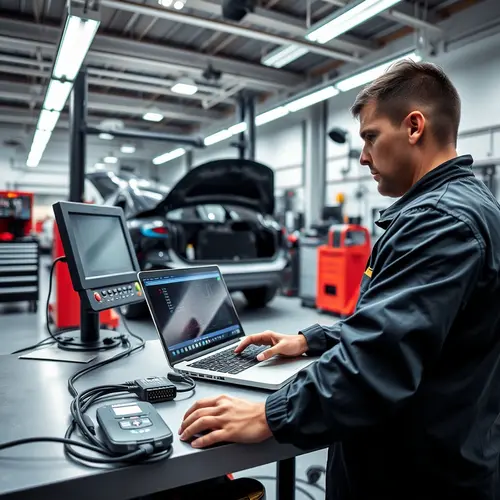
Scanning tools make the difference between guesswork and precision. Factory-level diagnostic scanners cost $5,000-$15,000 and access manufacturer-specific codes that generic OBD-II readers miss entirely. Quality shops invest in brand-specific equipment for proper diagnosis.
Torque specifications matter more than most realize. Professional facilities use calibrated torque wrenches and follow manufacturer specs down to the foot-pound. Over-torqued lug nuts can warp brake rotors. Under-torqued oil drain plugs lead to catastrophic engine failure.
Identifying Best Car Repair Through Warranty Policies
Warranty terms reveal shop confidence in workmanship. The industry standard sits at 12 months or 12,000 miles for parts and labor. Shops offering 24-month nationwide warranties through programs like NAPA AutoCare demonstrate higher quality standards.
Pay attention to warranty exclusions. Vague language about “normal wear” or “customer misuse” signals potential disputes. Clear, written warranty terms with specific coverage details indicate professional operations.
Quality Indicator
Professional Standard
Red Flag
Written Estimates
Itemized parts and labor before work begins
Verbal quotes or “we’ll see what we find”
Diagnostic Fees
$100-$150 applied to repair if approved
Free diagnostics with pressure to approve work
Parts Source
OEM or premium aftermarket with brand names
Generic parts with no manufacturer listed
Repair Timeline
Specific completion time with status updates
“It’ll be ready when it’s ready”
Best Car Repair – The Parts Quality Debate: OEM vs Aftermarket
OEM (Original Equipment Manufacturer) parts cost 20-40% more than aftermarket alternatives. For critical systems like brakes, suspension, and engine components, this premium delivers measurable value through precise fitment and material specifications.
Aftermarket parts span quality ranges from premium brands like Bosch and ACDelco to budget options that barely meet minimum standards. The best car repair shops disclose parts sourcing and explain trade-offs honestly rather than defaulting to cheapest options.
Communication Standards That Signal Professionalism
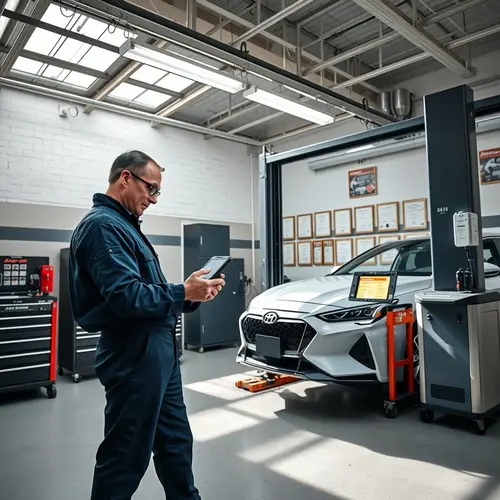
Digital vehicle inspections with photos and videos have transformed transparency. Shops using inspection software document findings with visual evidence, allowing you to see exactly what technicians recommend and why.
Pre-approval processes matter legally and financially. Professional facilities never perform work exceeding the original estimate by more than 10% without explicit customer authorization. Some states mandate this protection through consumer laws.
Expert Best Car Repair: The Diagnostic Fee Controversy
Many vehicle owners bristle at diagnostic fees, expecting free assessments. This mindset undermines quality service. Proper diagnosis on modern vehicles requires 1-2 hours of skilled labor using expensive equipment.
Shops waiving diagnostic fees typically inflate repair prices to compensate or rush through assessments, missing secondary issues. The best car repair facilities charge fair diagnostic rates and credit them toward approved repairs, incentivizing thorough investigation over sales pressure.
Maintenance Records and Long-Term Value
Comprehensive service records boost resale value by $500-$1,500 according to Kelley Blue Book analysis. Professional shops maintain digital service histories accessible through customer portals, documenting every oil change, inspection, and repair.
These records prove maintenance compliance for warranty claims and demonstrate responsible ownership to potential buyers. Paper receipts get lost. Digital documentation persists.
Understanding Flat-Rate vs Actual Time Billing
Most shops use flat-rate labor guides from Mitchell or AllData. These systems assign predetermined hours to specific repairs based on average technician speed. A “3-hour job” costs three hours of labor whether completion takes two hours or four.
This standardization protects consumers from inflated labor charges but can penalize shops when unexpected complications arise. Transparent facilities explain their billing structure upfront and honor quoted prices even when jobs run long.
Common Repair Categories and Quality Benchmarks
Brake Service: Includes rotor measurement, caliper inspection, and brake fluid condition test beyond simple pad replacement
Suspension Work: Requires alignment check after component replacement to prevent premature tire wear
Electrical Diagnosis: Involves circuit testing with multimeters rather than parts swapping until symptoms disappear
Engine Repairs: Demands thorough pre-disassembly inspection to identify all needed components before reassembly
Transmission Service: Follows manufacturer-specific fluid types and fill procedures, not universal “works for everything” fluids
The Preventive Maintenance Advantage
Shops pushing services you don’t need damage trust. Quality facilities reference your vehicle’s maintenance schedule from the owner’s manual rather than arbitrary service intervals designed to maximize revenue.
Timing belt replacement at 60,000-100,000 miles prevents $3,000-$5,000 engine damage. Transmission fluid changes every 30,000-60,000 miles extend transmission life by 50,000+ miles. These services represent genuine value when performed at manufacturer intervals.
Selecting Best Car Repair For Your Specific Vehicle
Specialization matters for complex repairs. European vehicles benefit from shops with brand-specific training and equipment. Hybrid and electric vehicles require high-voltage certification for battery and electrical work.
Independent shops often provide better value than dealerships for routine maintenance while matching quality standards. Dealerships excel at warranty work and technical service bulletins addressing manufacturer-known issues.
The best car repair choice depends on your specific situation. Build relationships with facilities demonstrating technical competence, transparent communication, and fair pricing. Quality shops earn loyalty through consistent results, not through promotional gimmicks or high-pressure sales tactics.