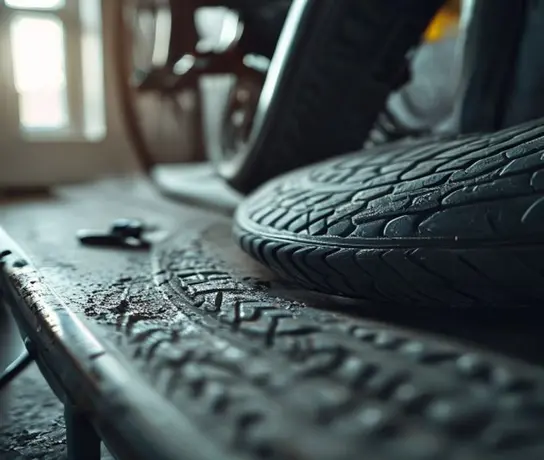
Critical dangers soft tires explained in this practical guide. Understanding the implications of soft tires is fundamental to vehicle safety and performance. When a tire lacks adequate air pressure, it’s operating in an underinflated state, leading to a cascade of negative effects that compromise both your vehicle and your wallet.
Operating with soft tires isn’t merely an inconvenience; it’s a significant safety hazard that can drastically alter vehicle dynamics and responsiveness.
Why Your Vehicle Suffers from Soft Tires for Critical Dangers Soft Tires
Tire pressure is a critical factor in how a vehicle handles, brakes, and uses fuel. Underinflation, the primary cause of soft tires, can stem from various sources.
Common culprits include natural air seepage through the tire rubber, gradual leaks from the valve stem, punctures that may not be immediately apparent, or even significant temperature drops, which cause air to contract.
According to the National Highway Traffic Safety Administration (NHTSA), properly inflated tires are vital for preventing crashes and ensuring optimal vehicle control.
Recognizing the Immediate Impact of Soft Tires
The signs of underinflation often manifest long before a tire looks visibly flat. A subtle but noticeable change in steering responsiveness or a slight pull to one side can indicate uneven tire pressure.
Increased road noise and a less compliant ride are also common indicators. Visually, a tire’s sidewall might bulge more than usual, especially when parked.
Ignoring these early warnings can lead to compounded problems, escalating minor issues into major repairs or dangerous driving conditions.
The internal structure of a tire relies on air pressure to maintain its shape and distribute load effectively. When pressure is insufficient, the tire’s components flex excessively, generating more heat than intended.
Aspect Affected
Impact of Soft Tires
Optimal Tire State
Fuel Efficiency
Increased rolling resistance, higher fuel consumption (up to 3% for every 1 PSI under recommendation)
Minimal rolling resistance, optimized fuel economy
Tire Lifespan
Accelerated and uneven tread wear, reduced overall mileage
Expert Opinion: The Overlooked Hazard of Gradual Pressure Loss
Many drivers mistakenly believe that if their tire isn’t completely flat, it’s safe enough. This couldn’t be further from the truth. A tire that’s only 5-10 PSI below the manufacturer’s recommended pressure is still a significant hazard, quietly eroding your vehicle’s safety margin.
This marginal underinflation is often more dangerous than an obvious flat because drivers are less likely to perceive the danger until a critical moment, such as an emergency maneuver.
The reduced contact patch and increased sidewall deflection drastically limit the tire’s ability to grip the road, especially in adverse weather conditions. Professional technicians often see tires that have suffered internal damage from prolonged, mild underinflation, which is entirely preventable with routine checks.
Maintaining Correct Tire Pressure: A Proactive Approach for Critical Dangers Soft Tires
Regularly checking your tire pressure is the simplest yet most effective maintenance practice. Use a reliable tire gauge when the tires are cold—meaning the vehicle hasn’t been driven for at least three hours or more than a mile.
Refer to your vehicle’s owner’s manual or the placard on the driver’s side door jamb for the manufacturer’s recommended PSI, which is specific to your vehicle model and often differs from the maximum pressure listed on the tire sidewall.
Check Monthly: Make it a habit to check all four tires, including the spare, at least once a month.
Post-Temperature Changes: Significant temperature drops can reduce tire pressure; recheck after a cold snap.
Before Long Trips: Always verify optimal pressure before extended journeys.
Invest in a Quality Gauge: Digital or dial gauges are more accurate than stick gauges.
Monitor TPMS: Don’t ignore your Tire Pressure Monitoring System light. It indicates at least one tire is significantly underinflated.
Addressing soft tires promptly prevents accelerated tread wear, particularly on the outer edges, ensuring the tire wears evenly across its entire surface.
In essence, proactive tire care translates directly into enhanced safety, improved fuel efficiency, and extended tire life. Neglecting soft tires means sacrificing these benefits and potentially risking vehicle control.
Start by listing the tasks that eat most of your week. Rank them by time cost, then match each one to a feature on your shortlist. Ask vendors for a live demo using your own data, not a canned sample. Check reviews from teams of your size, since enterprise feedback can mislead. Finally, test one option with a small pilot group before rolling it out to everyone.
Common Mistakes to Avoid
The biggest mistake is buying for features you will never use. Keep the stack lean and master the basics first. Another trap is skipping training, which leaves half the value on the table. Schedule one short session per week until the team is fluent. Review usage numbers monthly and drop tools nobody opens.
Final Verdict: Is It Worth It?
For most small teams, the answer is yes, provided you start lean and measure results. Pick one bottleneck, fix it well, then expand. Revisit your choice every year as pricing and features change. The detailed comparisons above give you a solid starting point.
In short, critical dangers soft tires works best when you start lean and review results monthly.
In short, critical dangers soft tires works best when you start lean and review results monthly.