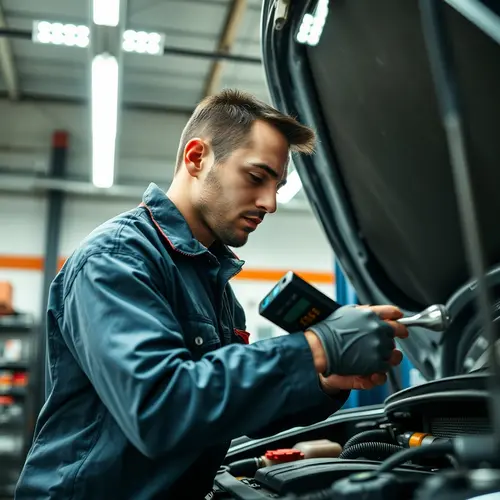
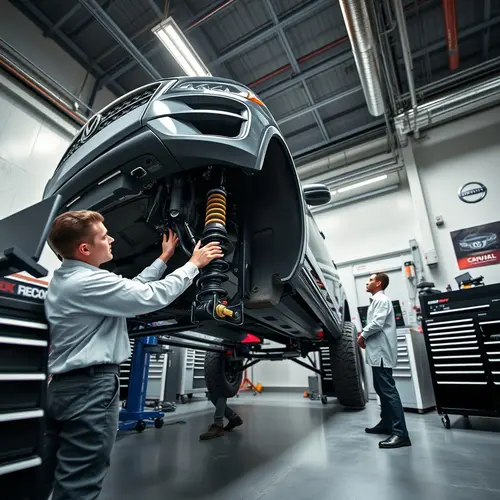
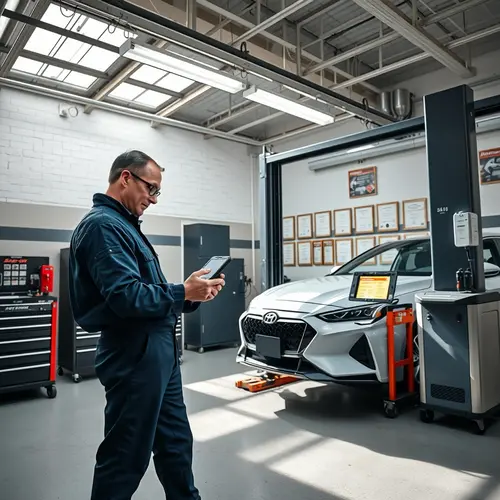
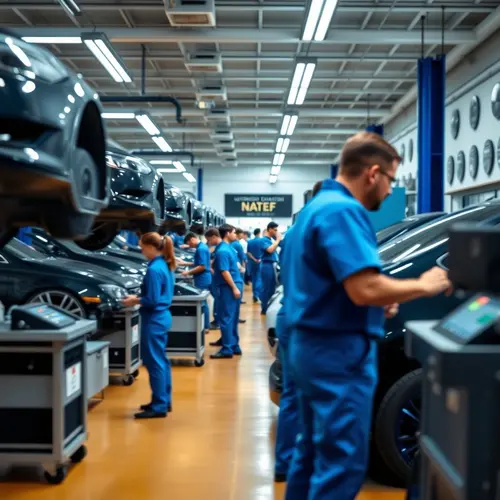
Auto service technician jobs involve diagnosing, repairing, and maintaining vehicles to ensure safety and performance. auto service technician jobs are in steady demand across dealerships, independent shops, and fleet operators, offering stable wages and clear advancement paths for skilled technicians.
auto service technician jobs require mastery of both mechanical and electronic systems. Technicians perform routine maintenance such as oil changes, brake inspections, and tire rotations. They also use advanced diagnostic equipment to identify engine, transmission, and electrical issues.
What Does an Auto Service Technician Do?
An automotive service technician (often referred to as an auto mechanic or service tech) inspects, maintains, and repairs cars and light trucks. Rather than relying solely on wrenches and mechanical intuition, today’s technicians work at the intersection of mechanical systems and advanced electronics.
Related: ultimate guide mastering your bicycle tire performance and larry wheels unlocking ultimate vehicle performance.
Core Responsibilities Auto Service Technician Jobs:
Why Auto Service Technician Jobs Offer High Job Security
Vehicle ownership in the U.S. remains at an all-time high, and the average age of passenger cars on American roads has risen to over 12 years. Older vehicles require more frequent maintenance, creating steady demand across automotive dealerships, independent repair facilities, and municipal fleet management operators.
According to data from the U.S. Bureau of Labor Statistics (BLS), the demand for skilled technicians remains stable, driven by the need to replace retiring workers and service complex vehicle technologies.
Industry Insight: Organizations like the Society of Automotive Engineers (SAE) highlight that ongoing technical education is no longer optional. Technicians who continuously update their training in hybrid/EV platforms and safety calibrations command the highest pay rates in the industry.
Key Skills Required for Modern Technicians
To excel in auto service technician jobs, professionals need a balanced mix of technical expertise, mechanical dexterity, and analytical thinking:
Advanced Diagnostics: Ability to interpret live sensor data, short-term/long-term fuel trims, and diagnostic trouble codes (DTCs) using OBD-II scanners.
Electrical Systems Mastery: Proficiency in reading OEM wiring schematics, testing circuit continuity, and checking voltage drops.
Systemic Problem-Solving: Following a logical, step-by-step diagnostic strategy rather than guessing or replacing parts unnecessarily.
Detail Orientation & Safety: Adhering strictly to OSHA standards, shop safety protocols, and precise factory torque specifications.
Pay, Salary & Career Progression (US Data)
Compensation in the automotive trade varies based on location, experience level, and certifications (such as ASE Certification). Below is a breakdown of median annual salaries for related automotive career paths in the U.S.:
Role
Median Annual Salary (USD)
Entry-Level Education
10-Year Growth Outlook
Auto Service Technician
$49,670
Postsecondary Certificate / Associate Degree
4% (Average)
Diesel Service Mechanic
$60,640
Technical School / Apprenticeship
2% – 3%
Automotive Service Manager
$68,000 – $85,000+
Experience + ASE Service Consultant Certs
5%
Data Source: U.S. Bureau of Labor Statistics (BLS) Occupational Outlook.
Case Study: Practical Diagnostic Walkthrough
To understand what modern auto service technician jobs look like in practice, consider this real-world diagnostic scenario:
[Problem Reported]
A pickup truck enters the shop displaying a Check Engine Light (P0300 - Random Misfire Code) and a rough engine idle.

[Diagnostic Process]
1. Initial Check: Technician inspects spark plugs and ignition coils; hardware is functional.
2. Data Analysis: Connecting a diagnostic scanner reveals high positive fuel trim values (+22%) on Bank 1, indicating a severe lean condition.
3. Physical Testing: A smoke machine test confirms a leaking fuel injector seal causing unmetered air entering Cylinder 3.

[Resolution]
Replacing the faulty injector seal, clearing the DTC code, and re-testing fuel trim data restores normal engine operation.
This systematic, data-driven approach is what separates entry-level lube techs from high-earning diagnostic specialists.
How to Build a Successful Technician Career Path
Get Trade Training: Enroll in an accredited Automotive Service Excellence (ASE)-certified vocational school or community college program.
Gain Entry-Level Experience: Start as a lube technician or apprentice at a dealership or independent shop to gain hands-on experience.
Earn ASE Certifications: Pass ASE tests (A1 through A8 series) to become a Master Automobile Technician. Certification significantly increases hourly earning potential.
Specialize or Move Into Management: Transition into high-demand areas like EV powertrain maintenance, or step into leadership roles as a Service Writer, Shop Foreman, or Service Manager.
Frequently Asked Questions (FAQ)
Are auto service technician jobs physically demanding?
Yes, the job requires lifting heavy parts, standing for long hours, and working in physical positions under hoods and vehicle lifts. However, proper shop safety equipment and ergonomic practices minimize physical strain.
What is the fastest way to increase an auto mechanic’s salary?
Earning specialized ASE Certifications and developing expertise in high-tech areas—such as electrical troubleshooting, hybrid systems, or diesel engines—is the fastest way to boost earning potential in the U.S.
Start by listing the tasks that eat most of your week. Rank them by time cost, then match each one to a feature on your shortlist. Ask vendors for a live demo using your own data, not a canned sample. Check reviews from teams of your size, since enterprise feedback can mislead. Finally, test one option with a small pilot group before rolling it out to everyone.
Common Mistakes to Avoid
The biggest mistake is buying for features you will never use. Keep the stack lean and master the basics first. Another trap is skipping training, which leaves half the value on the table. Schedule one short session per week until the team is fluent. Review usage numbers monthly and drop tools nobody opens.
Final Verdict: Is It Worth It?
For most technicians, the answer is yes, provided you start lean and measure results. Pick one bottleneck, fix it well, then expand. Revisit your choice every year as pricing and features change. The detailed comparisons above give you a solid starting point.
5 critical automotive hosser insights every owner needs
mastering 205 race street dynamics pro insights for performance
mastering the good tear expert automotive teardown guide
mastering race slicks ultimate grip for victory
ultimate guide to preformance tires maximize grip control
ultimate guide choosing the best camaro tires
ultimate guide mastering your racing tires for peak performance
5 critical dangers of soft tires fixes
What does a technician do daily?
An auto service technician diagnoses faults, performs maintenance, and documents repairs all day. They use scan tools and lifts constantly. Customer notes guide priorities. Clean bays boost speed.
Which certifications pay most?
ASE master status plus EV or diesel credentials lift auto service technician wages fastest. Dealerships reward Brand certifications too. Log hours toward each test. Renew every five years.
Is this career future-proof?
EVs and hybrids secure auto service technician demand for decades ahead. Software skills grow vital yearly. Specialize early for leverage. Never stop learning.