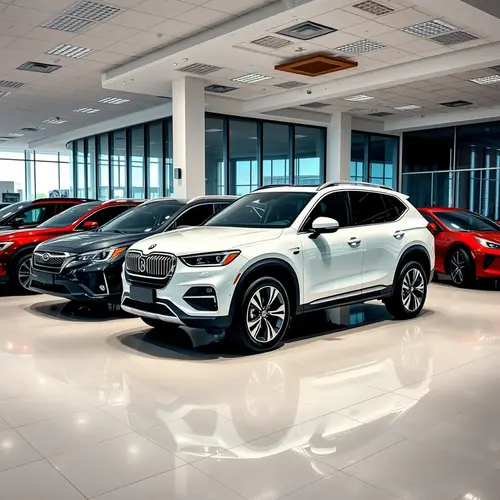
Understanding auto classes is essential for making informed vehicle purchasing decisions, comparing insurance rates, and navigating the automotive marketplace effectively. Vehicle classification systems categorize automobiles based on size, functionality, body style, and engineering characteristics, creating a standardized framework recognized by manufacturers, insurance companies, and regulatory bodies worldwide.
The classification framework helps consumers identify vehicles that match their specific needs. Whether you’re a first-time buyer or an experienced automotive enthusiast, knowing how vehicles are categorized provides clarity in an industry offering hundreds of models across dozens of segments.
What Are Auto Classes and Why They Matter
Auto classes represent systematic categorizations that group vehicles sharing similar dimensions, capabilities, and design philosophies. The Environmental Protection Agency (EPA) and the Insurance Institute for Highway Safety (IIHS) use these classifications for safety ratings, fuel economy standards, and regulatory compliance.
Insurance providers rely heavily on vehicle classifications to determine premium rates. Sports cars and performance vehicles typically fall into higher-risk categories, while family sedans and minivans occupy lower-tier brackets.
Manufacturers design vehicles to compete within specific segments, engineering features and specifications to meet class expectations. This competitive structure drives innovation and gives buyers clear comparison points when evaluating similar vehicles.
Primary Auto Classes in the Modern Market
The automotive industry recognizes several major classification categories, each serving distinct consumer needs and preferences.
Sedans and Passenger Auto Classes
Sedans remain foundational to vehicle classification systems. These four-door passenger vehicles subdivide into compact, midsize, and full-size segments based on interior volume and wheelbase measurements.
Compact sedans offer fuel efficiency and maneuverability for urban environments. Interior passenger volume typically ranges from 100 to 109 cubic feet, with combined cargo and passenger space meeting EPA compact classification thresholds.
Midsize sedans provide expanded comfort and often include more powerful engine options. These vehicles balance practicality with performance, making them popular choices for families and professionals requiring daily transportation reliability.
SUV and Crossover Classifications
Sport Utility Vehicles and crossovers dominate contemporary sales charts. These auto classes span from subcompact crossovers to full-size three-row SUVs, offering varying levels of capability and passenger capacity.
Subcompact crossovers share platforms with compact cars but provide elevated seating positions and increased cargo flexibility. Ground clearance typically measures 7-8 inches, with optional all-wheel-drive systems enhancing traction.
Full-size SUVs deliver maximum passenger and cargo capacity. Body-on-frame construction in traditional SUVs provides superior towing capability compared to unibody crossover designs, making them preferred choices for heavy-duty applications.
Truck Auto Classes and Commercial Vehicles
Pickup trucks segment into light-duty, heavy-duty, and commercial classifications. The Society of Automotive Engineers (SAE) establishes weight-based standards that determine regulatory requirements and capability ratings.
Light-duty trucks (Class 1-2) serve dual purposes as personal and work vehicles. Payload capacities range from 1,000 to 3,000 pounds, with towing capabilities extending to 12,000 pounds in properly equipped configurations.
Heavy-duty trucks (Class 3-8) cater to commercial applications requiring substantial hauling and towing capacity. These vehicles incorporate reinforced frames, upgraded braking systems, and commercial-grade powertrains engineered for sustained heavy loads.
Specialized Vehicle Categories
Performance and Sports Car Classifications
Performance vehicles occupy a distinct niche within auto classes, prioritizing acceleration, handling dynamics, and driving engagement over practical considerations. These categories include sports cars, muscle cars, and exotic supercars.
Sports cars emphasize power-to-weight ratios and aerodynamic efficiency. Engine placement varies between front-engine, mid-engine, and rear-engine configurations, each offering distinct handling characteristics.
Track-focused variants sacrifice comfort and practicality for maximum performance capability. Carbon fiber body panels, racing-derived suspension systems, and lightweight materials reduce curb weight while maintaining structural rigidity.
Luxury and Premium Segments
Luxury auto classes elevate material quality, refinement, and technology integration beyond mainstream offerings. Premium brands differentiate through superior craftsmanship, advanced driver assistance systems, and exclusive ownership experiences.
Entry-level luxury vehicles provide accessible pathways to premium ownership while maintaining brand prestige. These models often share mechanical components with mainstream counterparts but incorporate upgraded interiors and enhanced feature content.
Technical Classification Criteria
Classification Factor
Measurement Criteria
Impact on Category
Interior Volume
Combined passenger and cargo cubic feet
Determines size class (compact, midsize, full-size)
Wheelbase Length
Distance between front and rear axle centers
Affects ride quality and interior space allocation
Gross Vehicle Weight Rating
Maximum loaded vehicle weight
Establishes regulatory class and capability limits
Body Style Configuration
Door count, roofline, and cargo access design
Defines fundamental vehicle type and segment
How Auto Classes Affect Insurance and Ownership Costs
Vehicle classification directly influences insurance premium calculations through actuarial risk assessment models. Insurance companies analyze claims data across different segments to establish base rates for each category.
Performance-oriented auto classes typically command higher premiums due to elevated accident frequencies and increased repair costs. Advanced safety systems can partially offset these increases through available discounts.
Depreciation rates vary significantly across classifications. Luxury vehicles often experience steeper value declines compared to mainstream segments, while certain truck classes demonstrate exceptional residual value retention.
Expert Perspective: Common Classification Misconceptions
Industry professionals frequently encounter confusion about crossover versus SUV distinctions. The fundamental difference lies in construction methodology rather than appearance.
Crossovers utilize unibody construction similar to passenger cars, where the body and frame form a single integrated structure. Traditional SUVs employ body-on-frame architecture, mounting the body atop a separate ladder frame chassis.
This engineering distinction affects handling characteristics, towing capacity, and off-road capability. Marketing departments sometimes blur these boundaries, creating misconceptions about vehicle capabilities within specific auto classes.
Practical Considerations When Selecting Vehicle Classes
Choosing the appropriate vehicle classification requires honest assessment of actual usage patterns rather than aspirational scenarios. Buyers frequently overestimate their need for maximum capability, leading to unnecessary expenses.
Calculate realistic passenger and cargo requirements based on regular usage, not occasional edge cases
Evaluate towing needs using actual trailer weights rather than maximum rated capacities
Consider fuel economy impacts across auto classes, particularly for high-mileage drivers
Factor in parking and maneuverability challenges associated with larger vehicle classifications
Research insurance rate differences between similar models in adjacent categories
Assess total ownership costs including maintenance, depreciation, and registration fees
Future Evolution of Vehicle Classifications
Electrification is fundamentally reshaping traditional auto classes and creating new category definitions. Electric vehicles often defy conventional classification boundaries due to packaging advantages and performance characteristics unavailable in internal combustion designs.
Battery placement in floor-mounted skateboard platforms enables new proportions and interior configurations. Electric powertrains eliminate traditional performance hierarchies, allowing compact vehicles to deliver acceleration previously exclusive to exotic sports cars.
Regulatory bodies continue refining classification standards to accommodate evolving automotive technologies. Autonomous driving capabilities may eventually introduce entirely new categorization frameworks based on mobility solutions rather than physical vehicle characteristics.
Understanding auto classes empowers consumers to navigate the automotive marketplace with confidence and precision. These classification systems provide essential frameworks for comparing vehicles, understanding capabilities, and making purchase decisions aligned with genuine needs rather than marketing influences. Whether prioritizing efficiency, capability, luxury, or performance, recognizing how vehicles fit within established categories enables informed choices that deliver satisfaction throughout the ownership experience.