Used Car Checks: What to Inspect Before You Buy
A used car can be the best value on the road or the start of an expensive lesson, and the difference is usually inspection, not luck. The listing photo hides rust, the test drive hides a slipping transmission, and the seller’s confidence hides a branded title. Work through the checks below before you discuss price, then use the repair table to decide when to walk away.
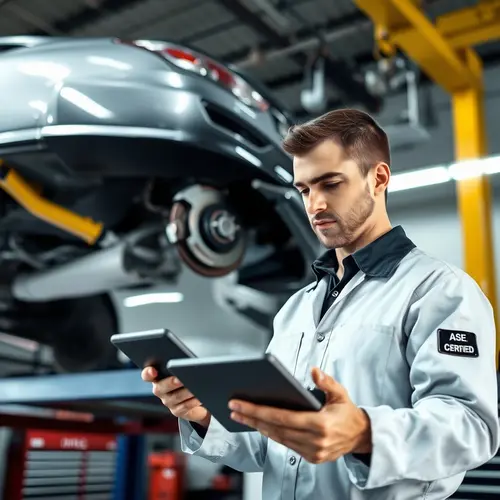
Every used car purchase deserves two visits: one to inspect the vehicle in daylight and one to complete a paid pre-purchase inspection. Bring a flashlight, a tire gauge, a clean rag, and a phone for photos. If a seller refuses either visit, treat that refusal as information. A reputable seller has nothing to hide from a careful buyer.
Used Car Checks: Start With the Paperwork
Paperwork comes first because it can end the deal in five minutes. Match the name on the title to the seller’s identification, and confirm the vehicle identification number on the title matches the dashboard and door jamb. A used car with a mismatched title, a missing lien release, or a seller who is not the registered owner are all reasons to stop.
Ask for the maintenance file, including oil changes, timing belt service, and major repairs. A thick folder is not proof, but gaps around known service intervals deserve questions. Photograph the title, the odometer, and the service records so you can review them later without pressure.
Paperwork checklist
- Title in the seller’s name, with no unresolved lien
- VIN matching on title, dashboard, and door jamb
- Odometer reading consistent with service records
- Bill of sale that states the sale is as-is, if applicable
- Recall status checked with the manufacturer
- Written confirmation of any remaining warranty
VIN, Recalls, and History Reports
The VIN is the vehicle’s fingerprint. Run it through a history report and check open recalls with the manufacturer’s official site. A used car history report is not a guarantee, but it can reveal salvage events, flood damage, odometer rollback, or a string of owners in a short period. Compare the reported mileage with the service records and the odometer.
Look for title brands such as salvage, rebuilt, flood, or lemon. A rebuilt title can be legal and insurable, but it reduces resale value and may complicate financing. Ask your insurer for a quote before you buy, not after. Some carriers decline branded titles outright.
7 Essential Used Car Checks Before You Buy
Inspect every used car in this order. Each check takes only a few minutes and builds on the one before it. If a serious fault appears early, you can stop and save the cost of a full inspection.
1. Body panels and paint
Look down the side of the car in bright light for ripples that suggest bodywork. Check panel gaps around doors, hood, and trunk. Uneven gaps or fresh paint on one panel can indicate a collision repair that was not disclosed.
2. Frame and underbody rust
Slide under the car with a flashlight and inspect the frame rails, floor pans, and suspension mounts. Surface rust is common; flaking metal and holes are not. Structural rust is expensive to repair and can make the car unsafe.
3. Fluid leaks and levels
Park the car on clean cardboard for a few minutes and look for fresh drips. Check engine oil, coolant, brake fluid, and transmission fluid. Milky oil or a burnt transmission smell can signal a repair bill larger than the asking price.
4. Tires and brakes
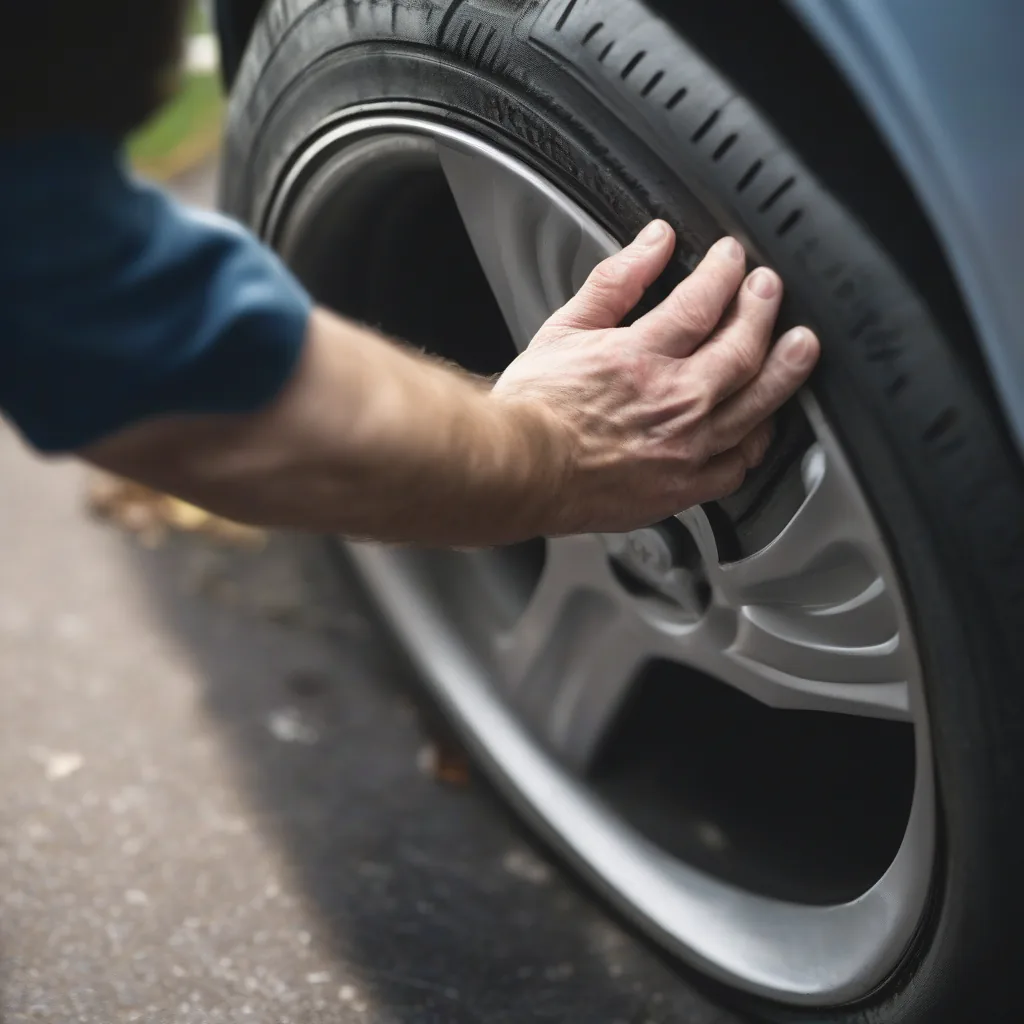
Measure tread depth at three points on each tire and check for uneven wear. Uneven wear can point to alignment or suspension problems. Inspect brake rotors for deep grooves and ask when the pads were last replaced.
5. Electrical systems
Test every window, lock, seat adjustment, light, camera, and infotainment feature. Small electrical faults are often expensive to trace. Check that warning lights illuminate briefly at startup and then go out.
6. Engine bay and cooling system
Start the engine cold and listen for rattles, ticks, or a rough idle. Look for coolant residue around hoses and the radiator. Check that the cooling fan engages and that the heater blows hot air once the engine warms.
7. Test drive and pre-purchase inspection
Drive at least 30 minutes on city streets, a highway ramp, and a quiet parking lot. Test braking, steering, shifting, and acceleration. Then pay a independent mechanic for a pre-purchase inspection before you finalize the price.
Repair cost reference
| Fault | Typical repair range | Risk level |
|---|---|---|
| Tires and alignment | $400-$1,200 | Medium |
| Brake pads and rotors | $300-$900 | Medium |
| Timing belt service | $500-$1,200 | High if overdue |
| Transmission repair | $2,500-$6,000 | Very high |
| Frame rust repair | $1,000-$4,000 | Very high |
| Catalytic converter | $800-$2,500 | High |
The 30-Minute Test Drive
A used car should be started cold so you can hear startup noises. Drive slowly through a parking lot with the windows down, listening for clicks and grinding. Then take a route that includes a stop-and-go section, a highway merge, and a rough surface.
- Minutes 0-5: cold start, idle, warning lights, accessories
- Minutes 5-15: city driving, braking, steering, turning circle
- Minutes 15-25: highway merge, cruising, lane change, engine temperature
- Minutes 25-30: parking lot maneuvers, reverse, final visual check for leaks
After the drive, leave the engine running and look under the car again. Check that the transmission shifts smoothly when warm and that the brakes do not pulse. If the seller will not allow a highway route, shorten the visit and rely on the professional inspection. Read how far buyers drive for the right car before you settle for a short test drive.
Mechanical Inspection: What to Pay For
A pre-purchase inspection usually costs $100 to $200 and is the cheapest insurance in the transaction. Choose a shop that does not sell the car and ask for a written report with photos. A good inspection covers compression or scan-tool data, suspension play, brake measurements, and a frame check.
Use the report to negotiate, not to complain. A list of needed repairs with prices gives you a factual basis for a lower offer. If the seller refuses to allow an inspection at your shop, walk away. There will be another vehicle.
Negotiation Script and Red Flags
Open with a question, not an offer: “What is the history of the car, and is there anything I should know before the inspection?” Then present the repair estimate and ask for a specific adjustment. Keep the conversation about facts and stay willing to leave.
Red flags include a seller who rushes the sale, a price far below market, a title that is not in hand, and a request for payment before inspection. Also beware of listings that use photos from another car or refuse to provide the VIN. Verify the VIN in person.
Total Cost of Ownership
A used car with a documented history is usually cheaper to own than a bargain with no records. The purchase price of a used car is only the first payment. Add insurance, registration, taxes, fuel, maintenance, and a reserve for repairs. A cheaper car with deferred maintenance can cost more over twelve months than a well-documented vehicle with a higher sticker price.
Ask your insurer for a quote using the VIN, and check the cost of common parts for the model. A popular model usually has cheaper parts and more service options. Budget at least $1,000 for immediate repairs unless the inspection report says otherwise. For repair standards, compare shops with this car repair quality checklist.
The best used car deal is the one you can verify, not the one you rush. Finally, confirm your rights as a buyer. The official vehicle history guide explains as-is sales, warranties, and buyer responsibilities. Read it before you sign, and keep a copy of every document. A careful used car purchase is boring by design, and boring is exactly what protects your budget.
Documents to Keep After the Sale
Keep the signed title, bill of sale, odometer statement, inspection report, and any warranty paperwork in one folder. Photograph each page and store the images in a cloud folder. If a recall or title issue appears later, these documents are your first line of proof.
Record the date, mileage, and purchase price in a simple log. Add receipts for immediate repairs and the date you changed the insurance policy. A complete file also makes the used car easier to sell later, because the next buyer will ask the same questions you asked.
FAQ
How much should a pre-purchase inspection cost?
Expect roughly $100 to $200 depending on the shop and vehicle. The report should include a road test, brake and tire measurements, fluid checks, and a frame inspection. Use the written findings to negotiate a lower price or to walk away from the deal.
What are the biggest red flags in a used car listing?
Watch for a price far below market, a seller who refuses an inspection, a title that is not in hand, and photos that do not match the vehicle. A VIN that cannot be verified in person is another strong warning sign.
What does buying a used car as-is mean?
As-is means the seller offers no warranty, so you accept the vehicle in its current condition. Your protection comes from the inspection, the paperwork, and any state cooling-off or disclosure rules. Read the bill of sale carefully before you sign anything.