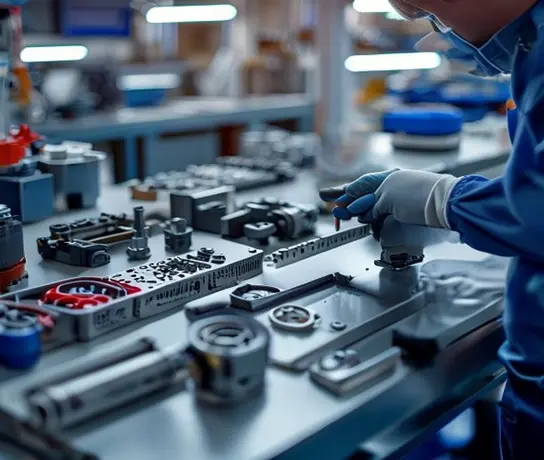
good tear
Mastering the Good Tear: Expert Automotive Teardown Guide
In automotive diagnostics and repair, few processes are as critical yet often misunderstood as the comprehensive teardown. What truly defines a good tear? It’s a methodical, meticulously documented disassembly process designed to uncover the root cause of vehicle issues, assess component health, or facilitate complex repairs with precision.
Far beyond simply pulling parts off, a top-tier automotive teardown serves as a forensic investigation, providing unparalleled insight into the internal workings and wear patterns of a system. This expert guide details the principles and practices essential for executing a teardown that delivers genuine value and lasting solutions.
The Core Principles of a Good Tear
Achieving a truly effective teardown hinges on adherence to several fundamental principles. These pillars ensure that the process yields actionable data, prevents further damage, and leads to accurate diagnoses or successful repairs.
- Systematic Planning: Never approach a teardown blindly. Detailed planning, including consulting service manuals and gathering diagnostic trouble codes (DTCs), is non-negotiable.
- Documentation: Every step, every component removed, every observation, and every measurement must be recorded. High-resolution photography and detailed notes are vital.
- Cleanliness and Organization: A pristine workspace and organized component storage prevent contamination and ensure all parts can be correctly reassembled or assessed.
- Specialized Tooling and Calibration: Relying on the right tools, from specialized pullers to calibrated micrometers, ensures accurate work and prevents component damage.
Pre-Teardown Planning: The Blueprint for a Good Tear
Before the first wrench turns, a significant portion of a successful teardown is already underway. This preparatory phase is where a truly good tear begins to distinguish itself.
Start by thoroughly reviewing the vehicle’s service history, owner complaints, and any existing diagnostic data. Understanding the failure mode, if known, guides the initial focus. Consulting original equipment manufacturer (OEM) service manuals is paramount, as they provide critical torque specifications, disassembly sequences, and special tool requirements.
Establish a clear documentation strategy. This involves not just a notepad and pen, but often a digital camera for capturing high-quality images of component orientation, wire routing, and any observed anomalies before and during disassembly. Proper labeling of parts and fasteners is also essential for efficient reassembly.
Executing the Disassembly: Precision and Patience
With a plan in place, the physical teardown commences. This stage demands precision, patience, and strict adherence to established procedures to prevent damage or misidentification of issues.
Work systematically, following the reverse order of assembly where applicable, or the specific sequence outlined in the service manual. Take care to note any unusual resistance, stripped fasteners, or signs of previous repair attempts. Components should be carefully handled, cleaned, and stored in an organized manner to avoid loss or damage.
Beyond the Obvious: What a Good Tear Reveals
Many issues are not immediately apparent through a simple visual check. The depth of a good tear allows for a forensic examination of components that can reveal subtle yet critical clues. This often involves specialized inspection techniques and measurement tools.
Look for specific wear patterns on bearings, gears, or cylinder walls. These can indicate lubrication issues, misalignment, or material fatigue. Utilize bore scopes for internal inspections without full component separation, and use micrometers, dial indicators, and feeler gauges to verify tolerances against manufacturer specifications.
Fluid analysis from within components can also provide vital data, indicating contamination, overheating, or material breakdown. According to guidelines from SAE International, detailed material analysis and component testing are crucial for understanding complex failure modes in automotive systems.
| Aspect | Amateur Teardown | Expert Good Tear |
|---|---|---|
| Planning | Minimal, reactive | Extensive, proactive (manuals, schematics) |
| Documentation | Sparse notes, few photos | Detailed notes, labeled photos, measurements |
| Tooling | Generic hand tools | Specialized, calibrated tools; diagnostic equipment |
| Component Care | Disorganized, potential damage | Cleaned, organized, protected storage |
| Analysis Depth | Surface-level visual | Forensic, material analysis, tolerance checks |
Documentation and Analysis: The True Value of a Good Tear
The information gathered during disassembly is only valuable if it’s accurately documented and thoroughly analyzed. This stage transforms raw observations into actionable diagnostic and repair strategies.
Record all measurements, observations, and findings systematically. Compare wear patterns and component conditions against baseline specifications or known failure modes for that particular system. This comparative analysis helps pinpoint deviations that indicate a problem.
Expert Opinion: Many technicians might rush a teardown, believing a quick visual inspection is enough to identify common problems. However, this often leads to misdiagnosis, repeated repairs, and significant long-term costs. A truly good tear, though initially more time-consuming, consistently saves money by ensuring the problem is identified correctly the first time. For instance, diagnosing a subtle transmission chatter might require microscopic examination of bearing races, a level of detail only possible with a meticulously executed teardown, preventing the costly replacement of an entire transmission when only a specific sub-component needs addressing.
The goal is to move beyond simply identifying a failed component to understanding *why* it failed. This root cause analysis is what empowers technicians to implement preventive measures or make informed decisions about future maintenance and upgrades.
Conclusion
Performing a good tear is an indispensable skill in modern automotive repair and diagnostics. It is not merely the act of disassembling components, but a comprehensive, analytical process that uncovers hidden truths and ensures effective, lasting solutions.
By embracing systematic planning, meticulous documentation, precise execution, and in-depth analysis, automotive professionals can elevate their diagnostic capabilities, reduce costly comebacks, and uphold the highest standards of vehicle maintenance and repair. The investment in a thorough teardown pays dividends in accuracy, efficiency, and customer satisfaction.
TAGS: automotive teardown, engine diagnostics, vehicle repair, forensic inspection, root cause analysis, car maintenance, component failure, workshop practices