Critical automotive hosser insights explained in this practical guide. In the intricate symphony of an automobile, every component plays a vital role. Among these, the hosser, a term often used informally to describe the essential hoses that carry fluids and gasses, stands as a silent workhorse. Understanding these critical fluid conduits is paramount for vehicle longevity and safety, directly impacting everything from engine cooling to brake responsiveness.
For the uninitiated, what exactly is a hosser in the automotive context? It refers to any flexible tubing designed to transport liquids or gases within a vehicle’s various systems. These components are engineered to withstand extreme temperatures, pressures, and chemical exposure, acting as lifelines for crucial operational fluids.
What Exactly Is an Automotive Hosser? for Critical Automotive Hosser Insights
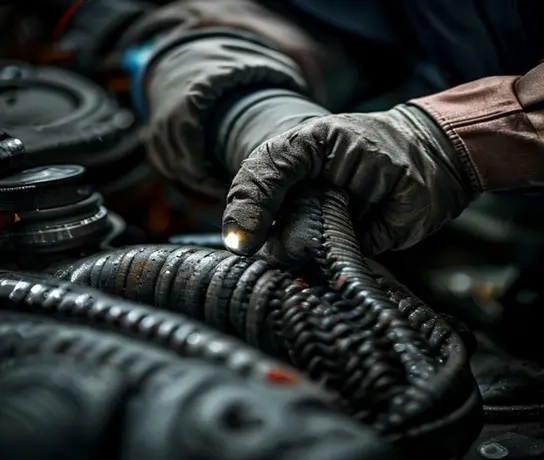
An automotive hosser, commonly known as a hose, is a flexible tube constructed from various materials, primarily rubber compounds, silicone, or specialized plastics, often reinforced with woven fibers. Their primary function is to create a sealed pathway for fluids like coolant, fuel, hydraulic fluid, or air, ensuring they reach their designated destination under specific operating conditions.
The integrity of these components directly impacts vehicle performance and safety. A failing hosser can lead to critical system malfunctions, ranging from engine overheating due to coolant loss to complete brake failure from hydraulic fluid leaks.
Diverse Roles: Types of Automotive Hoses for Critical Automotive Hosser Insights
Vehicles utilize a multitude of hoses, each designed for a specific purpose and operating environment. Knowing the different types helps in accurate diagnosis and maintenance.
Radiator Hoses: Transport coolant between the engine and radiator, critical for temperature regulation.
Fuel Hoses: Carry gasoline or diesel from the tank to the engine, designed to resist fuel degradation.
Brake Hoses: Connect brake calipers/cylinders to the main hydraulic lines, allowing flex during suspension movement.
Vacuum Hoses: Essential for various engine control functions, emissions systems, and sometimes HVAC.
Power Steering Hoses: Handle high-pressure hydraulic fluid for steering assist.
Heater Hoses: Circulate hot engine coolant to the heater core for cabin warmth.
Material Science Behind the Hosser
The material composition of a hosser is engineered precisely for its intended application. For instance, hoses exposed to high heat and coolant often use EPDM rubber, known for its excellent heat and ozone resistance. Fuel lines, conversely, utilize materials like nitrile rubber or nylon that resist degradation from petroleum products.
Silicone hoses are increasingly popular in high-performance or heavy-duty applications due to their superior temperature range and flexibility, although they can be less resistant to certain oil-based fluids. Steel-braided PTFE lines are common in brake and high-pressure fuel systems for their strength and chemical inertness.
Hose Type
Common Material
Key Application
Primary Challenge
Radiator Hose
EPDM, Silicone
Coolant circulation
Heat cycles, pressure
Fuel Line
Nitrile, Nylon
Fuel delivery
Chemical degradation
Brake Line
Steel-braided PTFE
Hydraulic fluid transfer
High pressure, vibration
Vacuum Line
EPDM, Silicone
Engine control signals
Ozone, age hardening
Power Steering Hose
Nitrile, PTFE
Hydraulic assist
Pulsating pressure
Common Failure Points & Diagnostic Cues
Hoses do not last indefinitely. They degrade over time due to age, heat, chemical exposure, and operational stress. Common signs of a failing hosser include:
Cracks and Dry Rot: Visible on the exterior, especially in areas exposed to heat or UV.
Bulges or Swelling: Indicates internal reinforcement layers are failing under pressure.
Soft Spots or Sponginess: Suggests material degradation from within, often due to fluid contamination or heat.
Hardening or Brittleness: Loss of flexibility can lead to cracking.
Leaks: Obvious drips or stains around fittings or along the hose body.
A classic scenario: A client complains of intermittent squealing under the hood, particularly on cold starts. While often attributed to belts, a thorough inspection of the power steering hosser revealed minor seepage at a crimped fitting, leading to fluid loss and eventual cavitation in the pump. Early detection and replacement of the hose saved a much more expensive power steering pump replacement.
The Silent Threat: Internal Degradation of the Hosser
Many owners mistakenly believe a hosser is healthy if it looks good from the outside. However, internal degradation is a significant and often unseen threat. The inner lining can delaminate, crack, or become clogged with sediment, restricting fluid flow or compromising integrity.
This internal damage can be caused by incompatible fluids, extreme pressure fluctuations, or simply age. Such issues are challenging to diagnose externally and often require professional inspection, sometimes involving pressure testing or component removal.
Proactive Maintenance: Extending Hosser Lifespan
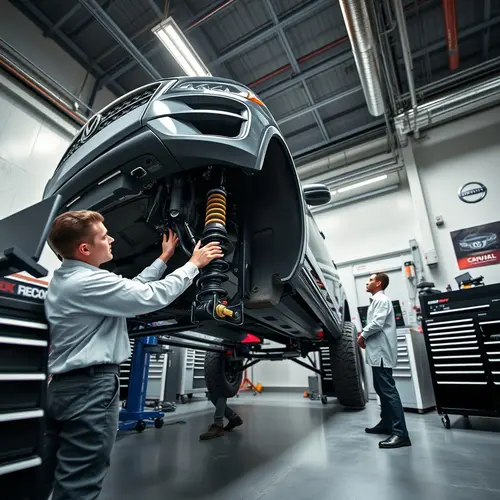
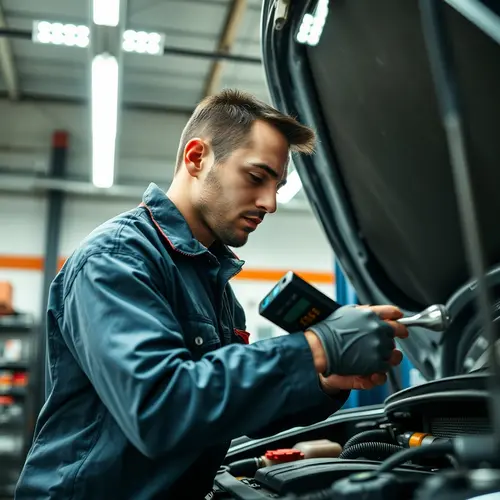
Regular inspection is the cornerstone of proactive hosser maintenance. During routine service, technicians should carefully examine all accessible hoses for the signs of failure mentioned above. Squeeze hoses to check for firmness and look for discoloration, especially near clamps.
According to guidelines published by organizations like SAE International, routine inspection of all fluid-carrying hoses is paramount for vehicle safety and longevity. Replacing a suspect hosser before it fails is far more cost-effective and safer than dealing with the aftermath of a burst hose, which can cause secondary damage to other engine components.
When replacing a hosser, it is crucial to use a high-quality replacement that meets or exceeds OEM specifications. Proper clamp installation and torque are also vital to prevent leaks and ensure a secure connection. Always verify fluid compatibility before installation.
Ultimately, understanding and maintaining the often-overlooked automotive hosser is a critical aspect of diligent vehicle ownership, preventing costly repairs and ensuring consistent, safe operation.
TAGS: Automotive hosser, car hoses, engine maintenance, fluid lines, vehicle repair, hydraulic systems, EPDM, silicone hoses, auto parts
Start by listing the tasks that eat most of your week. Rank them by time cost, then match each one to a feature on your shortlist. Ask vendors for a live demo using your own data, not a canned sample. Check reviews from teams of your size, since enterprise feedback can mislead. Finally, test one option with a small pilot group before rolling it out to everyone.
In short, critical automotive hosser insights works best when you start lean and review results monthly.
In short, critical automotive hosser insights works best when you start lean and review results monthly.
In short, critical automotive hosser insights works best when you start lean and review results monthly.