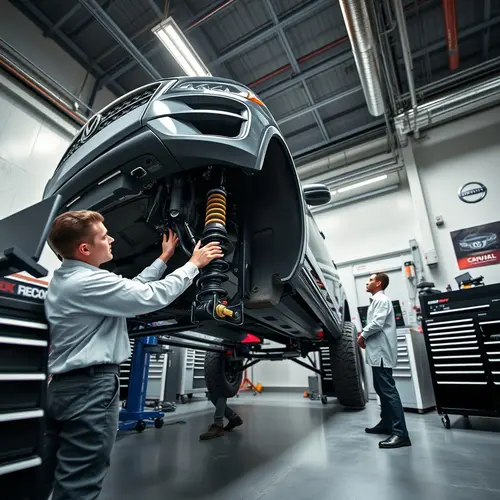
Mastering 205 race street explained in this practical guide. Achieving peak automotive performance for demanding road conditions, often conceptually referred to as the 205 race street challenge, requires a deep understanding of vehicle dynamics, meticulous engineering, and a commitment to precision. What truly defines this pinnacle of street-capable performance, and how can enthusiasts and professionals alike optimize a vehicle to meet such stringent demands while maintaining reliability and compliance?
Understanding the Essence of 205 Race Street Performance for Mastering 205 Race Street
The term 205 race street, when interpreted within high-performance automotive circles, signifies the complex intersection where aggressive track-day capability meets the practicalities of public road use. It’s about designing a vehicle that can deliver exhilarating performance, exceptional handling, and robust braking without sacrificing essential streetability or infringing upon legal requirements. This balance is a fine art, demanding expertise across multiple disciplines.
At its core, success in this domain hinges on fundamental principles: optimizing the power-to-weight ratio, maximizing mechanical grip, ensuring consistent and powerful braking, and achieving superior chassis rigidity. Every modification, from engine tuning to suspension setup, must contribute synergistically to these goals.
Engine & Drivetrain: Power Delivery for the Demanding Road for Mastering 205 Race Street
Engine optimization for the 205 race street environment goes beyond simply increasing horsepower. It involves shaping the power curve to be responsive and usable across a wide RPM range, crucial for both spirited driving and daily commutes. Forced induction systems, whether turbochargers or superchargers, are popular choices for substantial gains, but their integration requires careful calibration to avoid lag or excessive heat.
Naturally aspirated engines can also be highly effective, focusing on increased volumetric efficiency through porting, camshaft profiles, and intake/exhaust optimization. According to principles outlined by SAE International, proper engine management system (EMS) tuning is paramount, ensuring optimal air-fuel ratios, ignition timing, and protective limiters. This precision tuning safeguards longevity while extracting maximum potential.
The drivetrain components must robustly transmit this power. Upgraded clutches, limited-slip differentials (LSDs) for improved traction, and performance-oriented gear ratios in transmissions are common modifications. Each element plays a critical role in how power is translated into forward motion and managed under varying grip conditions.
Suspension Geometry: The Backbone of 205 Race Street Handling
Perhaps no single area influences a vehicle’s character more than its suspension system. For the 205 race street concept, the goal is often a stiffer, more controlled ride, but finding the sweet spot between track precision and street comfort is challenging. Coilover systems offering adjustable damping, spring rates, and ride height are standard.
Beyond component selection, suspension geometry is key. Parameters like camber, caster, and toe directly impact tire contact patch and steering response. An aggressive track alignment might offer phenomenal cornering grip but could lead to excessive tire wear and twitchy behavior on the highway. Expert tuners meticulously balance these settings to provide a compliant yet highly capable setup.
Braking and Tire Technology: Essential for Control
Raw power is meaningless without the ability to stop efficiently and consistently. Upgraded braking systems—larger calipers, rotors with improved heat dissipation, and performance pads—are non-negotiable for serious 205 race street applications. High-quality brake fluid and steel-braided lines ensure a firm pedal feel and resist fade under strenuous conditions. Modern ABS systems, especially those with sport modes, can further enhance control without being overly intrusive.
Tires are the sole contact point with the road, making them critical. For dual-purpose vehicles, choosing a tire that offers strong grip in dry and wet conditions, acceptable tread life, and minimal road noise is a compromise. High-performance summer tires are often preferred, offering superior adhesion compared to all-season alternatives. Understanding tire compound, construction, and ideal operating temperature ranges is essential.
Characteristic
Street-Focused Performance Tire
Track-Focused Race Tire
Tread Compound
Medium-hard, durable, good wet grip
Soft, sticky, optimized for dry grip
Tread Pattern
Channels for water evacuation, varied blocks
Minimal grooves, large contact patch
Sidewall Stiffness
Moderate, balances comfort & response
High, maximum lateral stability
Temperature Range
Wide, effective from cold to warm
Narrow, requires high heat to perform
Lifespan
Moderate to long (20,000+ miles)
Short (often less than 5,000 miles)
Chassis and Aerodynamics: Structural Integrity and Airflow
The chassis serves as the foundation. Reinforcing key stress points with strut tower braces, subframe connectors, and sway bars improves torsional rigidity, leading to more predictable handling and a better feel for the road. While full roll cages are typically reserved for dedicated track cars, strategic chassis enhancements can significantly improve dynamic performance for a 205 race street build.
Aerodynamics play a role in stability at higher speeds, although its impact on street cars is generally less pronounced than on dedicated race machines. Elements like front splitters, rear diffusers, and subtle spoilers can manage airflow, reduce lift, and generate beneficial downforce without overtly altering the vehicle’s aesthetic or practical clearance.
The Legal & Safety Landscape: Navigating Responsibly
A crucial, often overlooked, aspect of achieving 205 race street capability is adherence to legal and safety standards. Performance modifications must not compromise a vehicle’s roadworthiness. Emissions compliance, headlight regulations, tire tread depth, and noise limits are all factors to consider. According to SEMA’s guidelines and ongoing initiatives, responsible modification means ensuring vehicle safety and environmental protection are maintained.
Verify local regulations: Exhaust noise, window tint, and vehicle height limits vary widely.
Prioritize safety equipment: Ensure seatbelts, airbags, and braking systems remain fully functional and compliant.
Professional installation: Complex performance parts require expert fitting and calibration to prevent failures.
Regular maintenance: High-performance vehicles, especially those modified, demand more frequent and thorough inspections.
Expert Opinion: The Myth of Raw Power
A common misconception in the pursuit of 205 race street excellence is that raw horsepower reigns supreme. In my fifteen years in this industry, I’ve observed countless builds where a disproportionate focus on engine output leads to an unbalanced, often slower, and significantly less enjoyable vehicle. A well-tuned chassis, superior braking, and perfectly matched tires will almost always outperform a car with vastly more power but neglected fundamentals.
For instance, consider a hypothetical scenario: a driver adds 100 horsepower to an otherwise stock car but leaves the brakes and suspension untouched. While the straight-line speed might improve, the vehicle quickly becomes unstable under braking, prone to excessive body roll in corners, and ultimately less confident or rapid through a demanding section of road. True performance, especially on varied street conditions, is a symphony of balanced upgrades, not a solo power act.
The journey to mastering 205 race street dynamics is intricate and rewarding. It demands a holistic approach, where every component is selected and tuned with purpose. The goal is not just speed, but a harmonious blend of power, control, and reliability that elevates the driving experience to an art form.