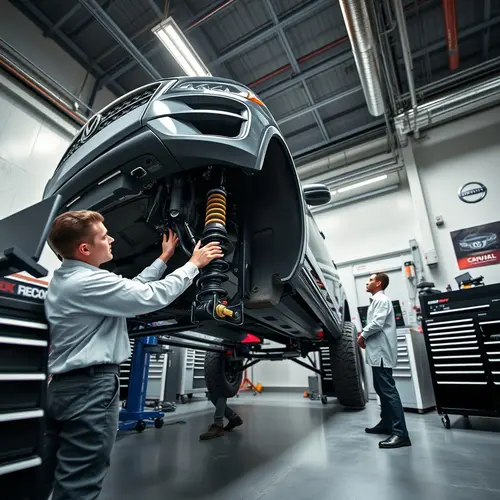
Ultimate guide mastering racing explained in this practical guide. Racing tires are far more than just rubber circles; they are a sophisticated interface between vehicle and track, dictating a machine’s ultimate performance envelope. Understanding these critical components is essential for anyone seeking to shave seconds off lap times or command the track with precision.
At their core, racing tires are engineered for maximum grip, rapid heat generation, and precise handling characteristics under extreme conditions. This specialization sets them apart from conventional road tires, which prioritize longevity, wet weather performance, and passenger comfort.
Unlocking Performance: The Science Behind Racing Tires for Ultimate Guide Mastering Racing
The engineering that goes into these high-performance components is incredibly complex. Every aspect, from the chemical composition of the tread compound to the structural design of the carcass, is optimized for a singular purpose: superior track performance.
Unlike street tires, which often feature durable, long-lasting compounds and tread patterns for water evacuation, racing tires typically employ much softer compounds. These softer materials deform more readily to microscopic irregularities in the track surface, creating a larger contact patch and generating more mechanical grip.
Compound Chemistry and Grip: The Heart of Racing Tires
The tread compound is arguably the most critical element. Manufacturers use proprietary blends of polymers, carbon black, silica, and other additives to achieve specific performance profiles. Softer compounds offer immediate, high grip but wear quickly and can overheat if not managed properly. Harder compounds provide greater durability and thermal stability, often favored in endurance racing where consistent performance over extended stints is paramount.
Selecting the correct set of racing tires involves a deep understanding of track temperature, ambient conditions, vehicle weight, and driver style. A compound too soft for the conditions will “grease up” and lose grip, while one too hard will never reach its optimal operating temperature, leaving significant performance on the table.
Types and Applications: Matching Rubber to Race for Ultimate Guide Mastering Racing
The world of racing demands diverse tire solutions. The primary categories cater to varying track conditions and racing disciplines.
Slick Tires: Designed for dry conditions, these tires feature no tread pattern whatsoever. Their smooth surface maximizes the contact patch, offering unparalleled grip on dry asphalt. They require significant heat to operate effectively.
Wet Tires: Characterized by deep, intricate tread patterns, wet tires are engineered to evacuate large volumes of water, preventing hydroplaning and maintaining grip on rain-soaked tracks.
Intermediate Tires: A hybrid solution for damp or drying tracks, these feature shallower tread patterns than full wets, balancing water dispersion with a larger contact patch for improved grip as the track dries.
Street-Legal Track Tires (R-Compounds): While not full racing slicks, these tires offer a significant performance upgrade over standard road tires. They have minimal tread and stickier compounds, making them popular for track days and amateur motorsport where street legality is required.
Expert Perspective: Beyond the “Softer is Better” Myth
A common misconception among newer enthusiasts is that the softest available tire compound will always yield the fastest lap times. While softer compounds *can* provide more initial grip, this isn’t universally true. An overly soft compound might provide tremendous grip for a single qualifying lap but can quickly degrade, overheat, and become inconsistent during a race stint. Furthermore, on tracks with abrasive surfaces or high-speed corners, a slightly harder compound might offer better stability, wear characteristics, and overall faster average speeds over a longer run, as reported by insights from professional motorsport engineering whitepapers published by organizations like SAE International.
Proper management of racing tires involves meticulous attention to tire pressure, temperature, and heat cycling. Optimal tire pressure provides the ideal contact patch and structural integrity. Temperature management ensures the tire operates within its peak performance window, avoiding both underheating and overheating. Heat cycling, the process of heating and cooling tires, can affect their grip over time, a critical consideration for both performance and longevity.
Tire Type
Primary Condition
Tread Pattern
Grip Profile
Durability (Relative)
Slick
Dry
None
Highest dry grip
Low
Wet
Heavy Rain
Deep grooves
High wet grip
Medium
Intermediate
Damp/Drying
Shallow grooves
Balanced wet/dry
Medium
Street-Legal Track
Dry/Light Damp
Minimal
High dry grip (less than slick)
Moderate
Beyond mere grip, the structural integrity of racing tires plays a pivotal role in handling dynamics. Sidewall stiffness, for example, directly influences steering response and lateral stability under cornering loads. FIA regulations for various motorsport categories often dictate tire dimensions and construction specifications, emphasizing safety and fair competition.
For many track enthusiasts, understanding the nuances of racing tires is an ongoing education. The difference between a well-chosen, properly prepared set of tires and a suboptimal choice can be several seconds per lap, or even the difference between finishing a race and an early exit.
In the pursuit of performance, mastering the art and science of racing tires is paramount. It demands technical knowledge, empirical data from track sessions, and an intuitive feel for how these vital components communicate with the car and the driver.
TAGS: racing tires, tire technology, motorsport, track performance, car handling, slick tires, tire compound, automotive engineering
Start by listing the tasks that eat most of your week. Rank them by time cost, then match each one to a feature on your shortlist. Ask vendors for a live demo using your own data, not a canned sample. Check reviews from teams of your size, since enterprise feedback can mislead. Finally, test one option with a small pilot group before rolling it out to everyone.
Common Mistakes to Avoid
The biggest mistake is buying for features you will never use. Keep the stack lean and master the basics first. Another trap is skipping training, which leaves half the value on the table. Schedule one short session per week until the team is fluent. Review usage numbers monthly and drop tools nobody opens.
Final Verdict: Is It Worth It?
For most small teams, the answer is yes, provided you start lean and measure results. Pick one bottleneck, fix it well, then expand. Revisit your choice every year as pricing and features change. The detailed comparisons above give you a solid starting point.
In short, ultimate guide mastering racing works best when you start lean and review results monthly.
In short, ultimate guide mastering racing works best when you start lean and review results monthly.
In short, ultimate guide mastering racing works best when you start lean and review results monthly.