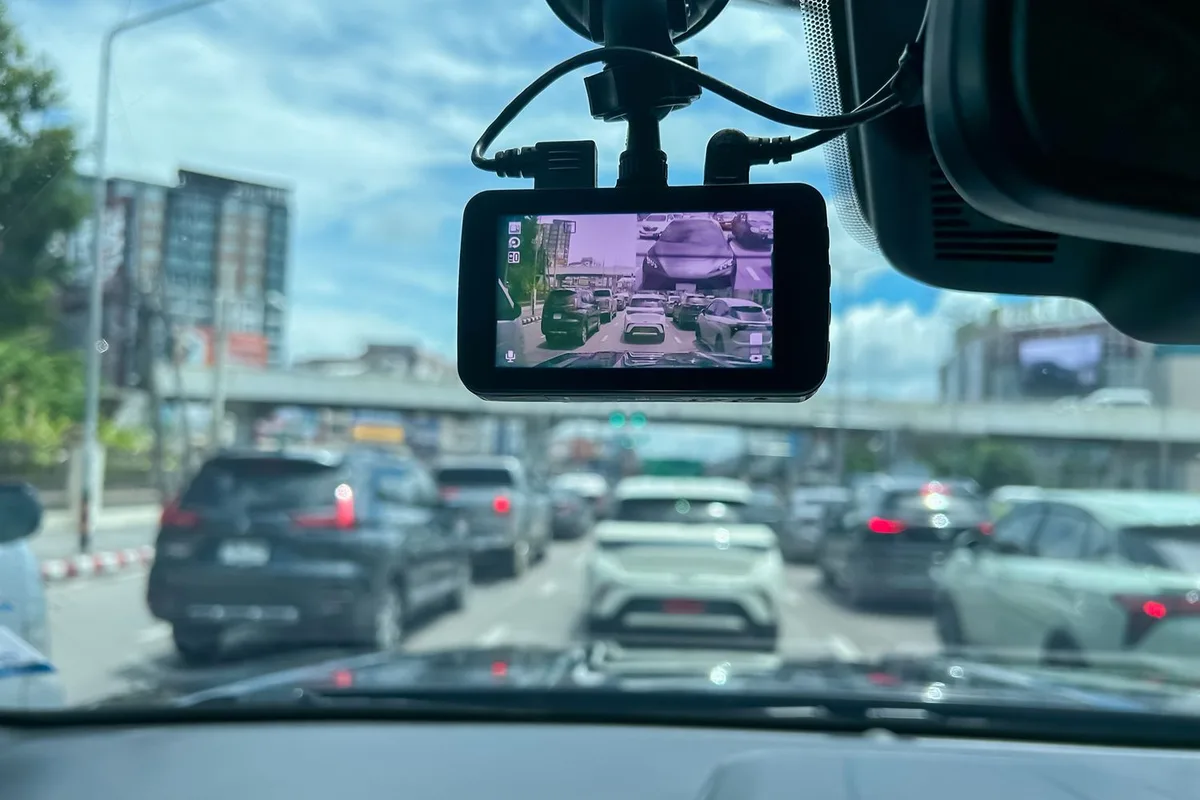

WSDOT gears up for winter: Tips for safe driving in snow and ice

While leaves are just starting to fall in many places, Washington State Department of Transportation (WSDOT) crews have been preparing for winter for several months. Below is a practical look at WSDOT gears up winter and how to approach it.
Related: winter driving tips from alberta rcmp stay safe on snowy roads discoverairdrie com and as the snow flies in alberta rcmp offer some tips for winter driving.
Teams from Port Angeles to Pullman have trained for winter weather, stocked storage sheds and inspected the more than 560 state snowplows. But they also need the traveling public to prepare for the coming weather. Many mountain pass closures, for example, are due to poor driver behavior. This includes going too fast for conditions or failing to have proper equipment for snow and ice.
“Everyone can do their part to keep passes and roadways open. This includes planning trips accordingly if closures occur and staying up to date using WSDOT’s online tools,” said WSDOT Maintenance Operations Manager James Morin. “As we do every winter, crews will ‘swarm to the storm’ and move crews and equipment to hard-hit or priority routes during storms.”
Travelers should ensure their vehicle is ready for winter and also regularly track weather conditions and road closures. During heavy storms, consider altering or canceling non-essential travel plans and/or looking into what alternative forms of travel may be available. It’s also important for motorists to remember to slow down, allow extra space and stop for people using crosswalks.
People walking or riding along roadways may be harder to see during storms. In Washington, 25% of residents either don’t or can’t drive a vehicle, so everyone should be alert during storms and other winter weather.
Know before you go
WSDOT has several tools to help travelers prepare for winter travel:
– Check out WSDOT’s online winter driving tips, including information on traction tires and chain requirements and what to carry in a vehicle.
– Download the free WSDOT mobile app for Apple or Android phones or devices.
– Sign up for email and/or text updates about road conditions – or sign up to receive text message alerts about closures and delays on I-90 over Snoqualmie Pass by texting “START” to the number 85107.
– Follow WSDOT across a variety of social media platforms including Facebook, Threads, several X/Twitter accounts, Instagram and TikTok.
– Check current traction and chain requirements for mountain passes, which are also available on highway advisory signs.
– Use the online real-time travel map to check conditions locally and statewide before heading out.
– Review what to carry in vehicles, including a winter driving supply checklist:
Studded tires and other options
By law, studded tires are legal for use in Washington state only from Nov. 1 through March 31. This applies to all vehicles in Washington, even those traveling from other states. No personal exemptions or waivers exist. Studded tires do not meet a posted chain requirement. Drivers still need to install chains over studded tires to proceed in areas posted for chains.
WSDOT estimates studded tires cause between $20 million and $29 million in pavement damage to state-owned asphalt and concrete roadways each year. Motorists are encouraged to visit a tire dealer to learn about options, including stud-free, winter tread traction tires. This aggressive tread tire is different than an all-season tire, is legal year-round and does not cause the same roadway damage as studded tires.
Chains and alternatives
People traveling into the mountains and during winter weather should carry chains to be prepared. A sudden change in weather conditions could mean chains are required on a route. Drivers failing to install tire chains when posted risk a $500 ticket from the Washington State Patrol. Potential fines and chain enforcement patrols are conducted by WSP – not WSDOT.
WSDOT also encourages travelers to practice installing chains before heading out. Any tire becomes a traction tire when chains are installed. Studded tire law requirements are set by the Washington State Legislature.
Although some vehicle manufacturers recommend against the use of tire chains for certain models, that doesn’t excuse travelers from the laws. These requirements exist to help keep all traffic moving safely during extreme winter conditions. The Washington State Patrol provides a list of state-approved alternative traction devices on its vehicle and equipment webpage under “traction tires.” These approved alternatives can be used when chains are required.
Studded tires are allowed in Washington from Nov. 1 to March 31; stud-free winter tire alternatives are legal year-round.
Winter crew recruitment
WSDOT is staffed and ready for winter. Seasonal winter hiring is also underway, especially for people with commercial driver’s licenses. Visit www.wsdotjobs.com and search for “highway maintenance worker” for more information on permanent and seasonal openings.
WSDOT gears up winter
Use this section as a quick reference for WSDOT gears up winter before working through the steps above.
If WSDOT gears up feels overwhelming, start with the smallest step that produces a visible result. Anyone weighing WSDOT gears up should compare at least two realistic options before deciding. In practice, WSDOT gears up works best when the basics are handled before anything else. A quick note on WSDOT gears up: the follow-up matters as much as the first decision.


A simple step-by-step approach
Start with the basics of WSDOT gears up and keep the first step small enough to finish in one sitting. Gather the information you need, compare two or three realistic options, and note the trade-offs in plain language rather than marketing terms.
Then test the decision on a small scale before you scale it up. This is the part most people skip, and it is the reason WSDOT gears up sometimes feels harder than it should. A short trial tells you more than another hour of reading, and it usually surfaces the one constraint that matters in your case.
Mistakes that cost time and money
The most common mistake with WSDOT gears up is treating the first option you find as the only option. Comparison is not busywork: differences in scope, support, and timing often matter more than the headline number.
The second mistake is ignoring the follow-up. Whatever you choose, plan how you will check that it worked. A quick review after two weeks catches problems while they are still cheap to fix, and it turns WSDOT gears up from a one-time decision into something you can improve.