mechanics training
The Ultimate Guide to Mechanics Training
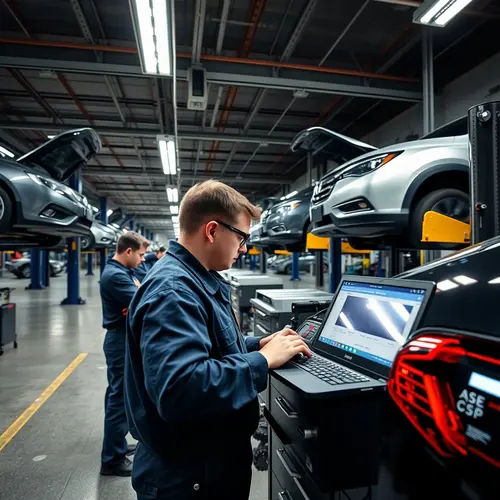
What does effective mechanics training truly look like, and how can you master the craft? For aspiring technicians, it represents the bridge between theoretical knowledge and the tactile skill needed to diagnose a misfire, rebuild a transmission, or navigate a modern vehicle’s complex network of electronic control units. This guide breaks down the journey.
The Two Pillars of a Complete Mechanics Training Program
True proficiency requires a balance of formal education and hands-on application. One without the other leaves significant gaps in capability. A recognized curriculum provides the structured theory, while the shop floor serves as the ultimate proving ground for that knowledge.
Mechanics Training Structured Education: ASE Certification Paths
Pursuing certification through bodies like the National Institute for Automotive Service Excellence (ASE) provides a validated, industry-standard framework. Their guidelines, often informed by OEM technical service bulletins and diagnostic procedures, establish a critical baseline for competency. According to an analysis by the U.S. Department of Labor, formal, certification-aligned programs correlate strongly with higher long-term earnings and employment stability in the skilled trades.
This foundation covers essential systems: engine repair, automatic transmissions, brakes, steering, suspension, and, crucially, electrical systems. Modern mechanics training is unequivocally centered on electronics and computer-based diagnostics.
Essential Tool Mastery: Your Physical Mechanics Training Toolkit
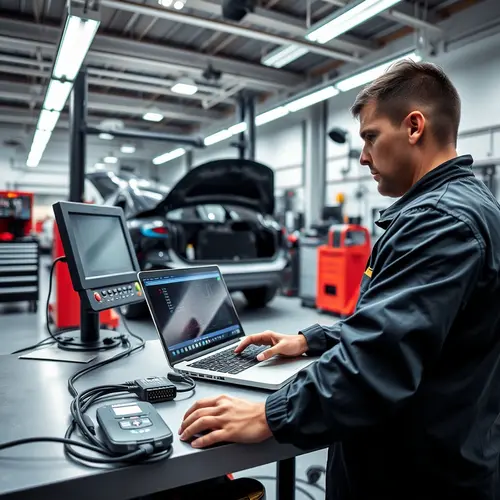
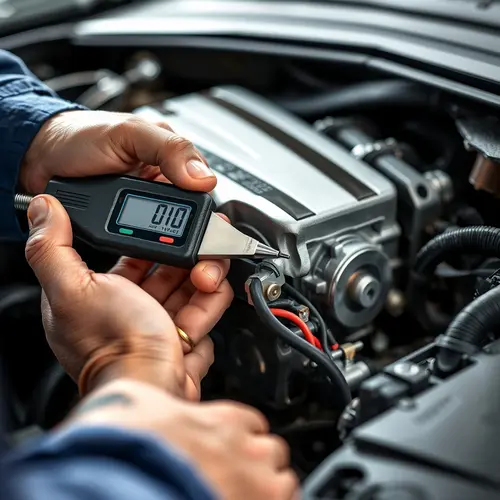
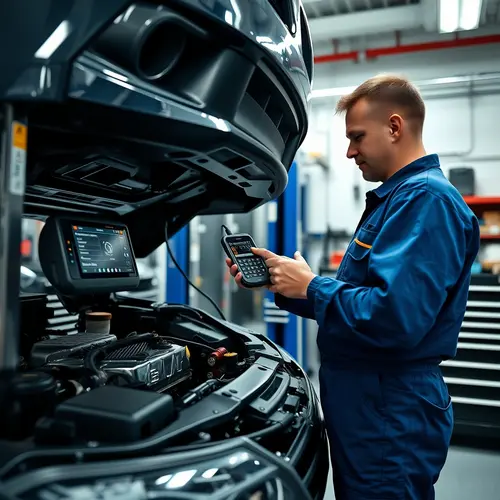
Beyond wrenches, a technician’s real toolkit today is hybrid. You must be as fluent with a digital multimeter and an OEM-level scan tool as you are with a torque wrench. A common myth is that generic code readers are sufficient for professional diagnosis. In reality, they often provide only generic OBD-II codes (P0300 – random misfire), while factory tools can access manufacturer-specific data PIDs (Parameter Identifiers) revealing the exact cylinder misfire count or fuel trim values for a specific bank.
- Hand Tools & Precision Instruments: Torque wrenches (click-type and beam), micrometer sets, dial indicators.
- Diagnostic Equipment: Advanced scan tools, oscilloscopes for waveform analysis, amp clamps for current measurement.
- Information Systems: Subscriptions to professional service databases like ALLDATA or Identifix.
Navigating the Modern Mechanics Training Diagnostic Landscape
The shift from purely mechanical systems to integrated mechatronics has fundamentally changed the trade. A vehicle’s Controller Area Network (CAN bus) is now its central nervous system. Effective mechanics training must, therefore, teach systematic fault isolation.
Consider a practical scenario: a vehicle presents with an intermittent no-start condition and multiple, seemingly unrelated communication fault codes. A novice might start swapping control modules, a costly and often ineffective approach. An expert, drawing on deeper training, would first verify network integrity—checking terminal resistance at the CAN bus lines with a multimeter, looking for shorts to voltage or ground—before condemning any single module. This methodical process, outlined in many OEM diagnostic flowcharts, prevents misdiagnosis.
| Training Focus | Traditional Approach | Modern, Expert Approach |
|---|---|---|
| Diagnostic Method | Part swapping based on probable cause | Data-driven verification using live data and schematic analysis |
| Electrical Faults | Check for “power and ground” | Measure voltage drop under load, analyze signal integrity with a scope |
| Information Source | General repair manuals | OEM-specific technical service publications & wiring diagrams |
| Outcome | Potential for comeback repairs | First-time fix, higher customer trust, reduced shop liability |
Building Long-Term Mechanics Training Expertise and Career Sustainability
Mastery is not a destination but a continuous process. The technology evolves, and so must the technician. Publications like Motor Age and Automotive News regularly feature technical deep-dives that serve as continuing education, highlighting emerging patterns in hybrid system failures or advanced driver-assistance system calibrations.
Specialization is a powerful path forward. Focusing on a specific brand, or mastering complex systems like automotive HVAC or high-voltage electric vehicle batteries, can differentiate your skillset. This depth of knowledge, more than generalized familiarity, commands premium value in the market.
Your foundational mechanics training is the launchpad. The trajectory of your career depends on deliberately choosing which technologies to master next and which diagnostic disciplines to deepen. The craft rewards precision, patience, and perpetual learning. Commit to the fundamentals, embrace the complexity of modern systems, and you build not just a job, but a respected profession. That is the core of sustainable mechanics training.




Related reading
Mistakes that cost time and money
The most common mistake with Mechanics Training is treating the first option you find as the only option. Comparison is not busywork: differences in scope, support, and timing often matter more than the headline number.
The second mistake is ignoring the follow-up. Whatever you choose, plan how you will check that it worked. A quick review after two weeks catches problems while they are still cheap to fix, and it turns Mechanics Training from a one-time decision into something you can improve.
What to check before you start
Before committing time or money to Mechanics Training, it helps to know what a good outcome looks like. Write down the result you actually need, the budget you can live with, and the deadline you are working against. Those three answers rule out most of the options that look attractive but do not fit your situation.
Next, look at the details that are easy to miss: what is included, what costs extra, and what happens when something goes wrong. Ask directly about timelines and follow-up. A clear answer is usually a better sign than a low price, because Mechanics Training is rarely a one-off purchase of attention.
A simple step-by-step approach
Start with the basics of Mechanics Training and keep the first step small enough to finish in one sitting. Gather the information you need, compare two or three realistic options, and note the trade-offs in plain language rather than marketing terms.
Then test the decision on a small scale before you scale it up. This is the part most people skip, and it is the reason Mechanics Training sometimes feels harder than it should. A short trial tells you more than another hour of reading, and it usually surfaces the one constraint that matters in your case.