Winter driving tips from Alberta RCMP: Stay safe on snowy roads
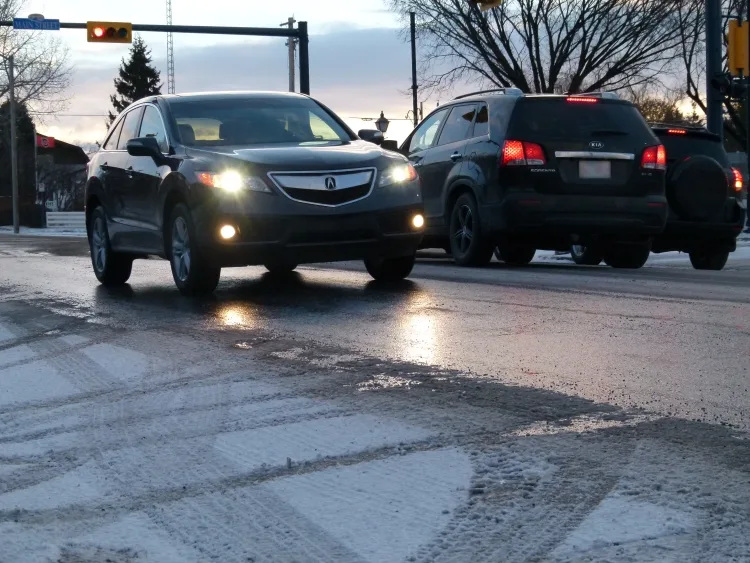
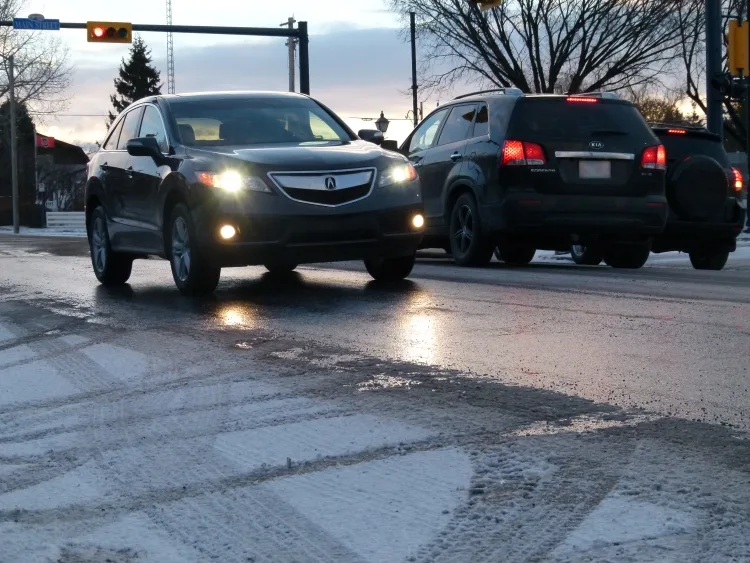
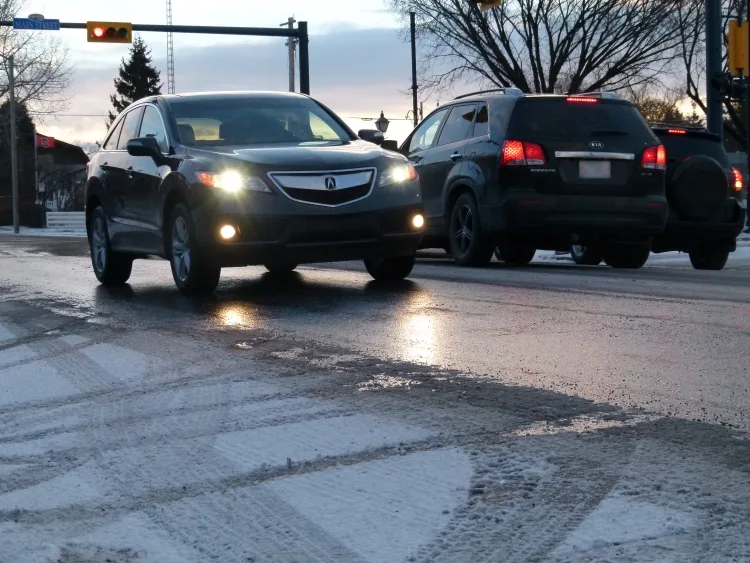
With the snow Airdrie received so far today, Alberta RCMP is reminding residents to take precautions and be prepared for winter driving. This guide covers Winter driving Alberta RCMP with clear, practical steps.
Related: this pros tips will help you bomb tee shots with more precision and wsdot gears up for winter tips for safe driving in snow and ice.
“With the seasons changing, some parts of the province are already experiencing winter weather. Please take extra precautions when travelling, or consider avoiding travel when conditions include icy roads and blowing snow,” stated the Alberta RCMP in a press release.
Before you hit the highways this winter, the RCMP want Airdronians to remember the following:
- Remove all snow from your vehicle before each trip to improve visibility
- Allow yourself extra travel time in poor weather
- Ensure your headlights are working and always on
- Increase your following and braking distance on icy roads
- Travel with a fully charged cell phone for emergency situations
- Slow down and drive to conditions. You can be charged with a traffic offence for driving too fast for the conditions.
The RCMP also consider carrying an emergency kit in your vehicle’s trunk or cargo space which should include:
- Thermal blanket
- Extra clothing and outerwear
- Candle and waterproof matches
- First aid kit
- Flashlight with extra batteries
- Booster cables
- Sand, road salt or kitty litter
- Shovel
The Alberta RCMP advises drivers to check road reports before travelling on highways, as conditions can change rapidly.
Sign up to get the latest local news headlines delivered directly to your inbox every afternoon.
Send your news tips, story ideas, pictures, and videos to [email protected]. You can also message and follow us on Twitter: @AIR1061FM.
DiscoverAirdrie encourages you to get your news directly from your trusted source by bookmarking this page and downloading the DiscoverAirdrie app.
Winter driving Alberta RCMP
The points below explain how Winter driving Alberta RCMP works in everyday situations and where most people get stuck.
What should beginners know about Winter driving Alberta RCMP?
Start with the basics covered above, apply one change at a time, and note what happens. That way you can tell which step actually made the difference instead of guessing.
How long does Winter driving Alberta RCMP take to show results?
It depends on your starting point. Most readers see a clear difference after four to six weeks of consistent work, and sooner when they track results weekly.
What to check before you start
Before committing time or money to Winter driving, it helps to know what a good outcome looks like. Write down the result you actually need, the budget you can live with, and the deadline you are working against. Those three answers rule out most of the options that look attractive but do not fit your situation.
Next, look at the details that are easy to miss: what is included, what costs extra, and what happens when something goes wrong. Ask directly about timelines and follow-up. A clear answer is usually a better sign than a low price, because Winter driving is rarely a one-off purchase of attention.
A simple step-by-step approach
Start with the basics of Winter driving and keep the first step small enough to finish in one sitting. Gather the information you need, compare two or three realistic options, and note the trade-offs in plain language rather than marketing terms.
Then test the decision on a small scale before you scale it up. This is the part most people skip, and it is the reason Winter driving sometimes feels harder than it should. A short trial tells you more than another hour of reading, and it usually surfaces the one constraint that matters in your case.
Mistakes that cost time and money
The most common mistake with Winter driving is treating the first option you find as the only option. Comparison is not busywork: differences in scope, support, and timing often matter more than the headline number.
The second mistake is ignoring the follow-up. Whatever you choose, plan how you will check that it worked. A quick review after two weeks catches problems while they are still cheap to fix, and it turns Winter driving from a one-time decision into something you can improve.