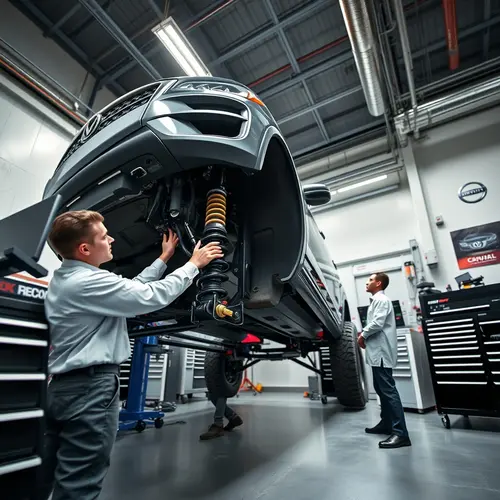
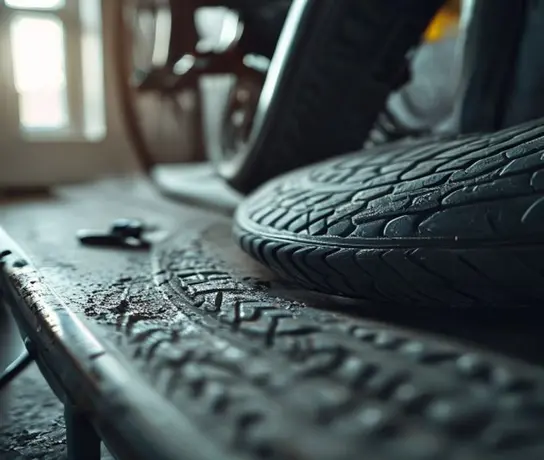
Mastering race slicks ultimate explained in this practical guide. For anyone serious about track performance, understanding race slicks is paramount. These specialized tires, devoid of any tread patterns, are engineered to deliver the absolute maximum grip on dry asphalt, fundamentally transforming a vehicle’s handling and speed capabilities on a closed course. Their design prioritizes a vast contact patch and specific rubber compounds, allowing a racing machine to corner harder, accelerate faster, and brake later than with conventional street tires.
The Uncompromised Science of Race Slicks for Mastering Race Slicks Ultimate
The core principle behind race slicks is simple yet profound: maximize the contact area with the road surface. Unlike street tires, which feature grooves to disperse water, slicks are entirely smooth. This treadless design provides an uninterrupted “contact patch,” placing more rubber directly onto the track.
Beyond the lack of tread, the magic of slicks lies in their sophisticated rubber compounds. These compounds are significantly softer than those found in street tires, designed to operate at much higher temperatures. As the tire warms, the rubber becomes even more pliable, conforming intimately to the track’s micro-texture and generating immense friction, which translates directly into grip.
Compound Variations and Their Applications
Tire manufacturers develop various slick compounds, often categorized by their hardness (durometer rating) and temperature operating window. Soft compounds offer superior grip but wear quickly, ideal for short sprint races or qualifying sessions. Harder compounds provide greater durability and resistance to wear, making them suitable for longer endurance events, though at a slight compromise in ultimate grip.
Choosing the correct compound is a critical strategic decision influenced by track temperature, surface abrasiveness, race duration, and vehicle dynamics. A softer compound might be faster initially, but if it overheats or degrades too quickly, it becomes a liability.
Anatomy of a High-Performance Slick Tire for Mastering Race Slicks Ultimate
The construction of a race slick goes far beyond its surface. Internally, a complex carcass design, involving multiple layers of fabric (ply ratings) and steel belts, provides structural integrity and dictates the tire’s responsiveness. Stiff sidewalls are crucial for precise steering feel and resisting lateral deflection during high-g cornering, maintaining the optimal contact patch shape.
The bead area, where the tire mounts to the wheel, is also heavily reinforced to withstand extreme forces. This robust internal architecture ensures that the tire can endure the immense forces of motorsport, including rapid acceleration, heavy braking, and sustained lateral loads.
Feature
Race Slicks
Street Tires
Tread Pattern
None (smooth)
Grooved for water dispersion
Rubber Compound
Very soft, high grip at temp
Harder, all-weather performance
Operating Temp
High (180-220°F+)
Ambient to moderate (80-150°F)
Lifespan
Short (few races/track days)
Long (thousands of miles)
Hydroplaning Risk
Extremely High (dry use only)
Low to moderate
Applications
Dry track racing, time attack
Daily driving, light performance
Expert Insight: The Nuance of Tire Management
A common misconception among aspiring racers is that “softer is always faster.” This isn’t universally true. While softer compounds deliver peak grip, they often have a narrower optimal operating temperature window and degrade more rapidly. Overheating a soft tire can lead to blistering or graining, where rubber chunks are torn from the surface, drastically reducing grip and overall lifespan.
Consider a scenario where a driver consistently uses a soft compound on a highly abrasive track with ambient temperatures. While initial lap times might be strong, sustained running could see the tires quickly degrade, leading to a significant drop in performance and increased risk of failure. A seasoned team, as often seen in professional series like endurance racing, will analyze track data, weather forecasts, and driver feedback to strategically select a compound that balances initial pace with consistent performance over the entire stint. This holistic approach, often guided by tire suppliers like Michelin or Pirelli Motorsport’s data, is the true art of tire management.
Effective management of race slicks involves:
Pre-heating: Using tire warmers to bring tires to their optimal operating temperature before hitting the track.
Pressure Monitoring: Constantly adjusting cold and hot pressures to maintain an even contact patch and prevent excessive wear or understeer/oversteer.
Heat Cycling: Understanding how repeated heating and cooling affects the rubber’s properties and overall lifespan.
Visual Inspection: Regularly checking for signs of uneven wear, blistering, or graining to diagnose setup issues.
The Future and Legacy of Racing Grip
The development of race slicks continues to push boundaries, integrating advanced polymers and construction techniques. While the fundamental principles of maximizing dry grip remain, ongoing research aims to broaden operating windows, improve durability without sacrificing performance, and enhance environmental sustainability. As reported by leading automotive engineering journals, advancements in predictive modeling and material science are continuously refining these crucial components of motorsport.
Ultimately, mastering race slicks is about more than just bolting them onto a car. It’s about understanding the intricate dance between physics, material science, and driver input. Their ability to deliver unparalleled traction on dry surfaces makes them an indispensable element in the pursuit of speed and victory on the race track.
TAGS: race slicks, racing tires, motorsport, tire technology, grip, track performance, tire compounds, automotive engineering, racing setup, vehicle dynamics
Start by listing the tasks that eat most of your week. Rank them by time cost, then match each one to a feature on your shortlist. Ask vendors for a live demo using your own data, not a canned sample. Check reviews from teams of your size, since enterprise feedback can mislead. Finally, test one option with a small pilot group before rolling it out to everyone.
Common Mistakes to Avoid
The biggest mistake is buying for features you will never use. Keep the stack lean and master the basics first. Another trap is skipping training, which leaves half the value on the table. Schedule one short session per week until the team is fluent. Review usage numbers monthly and drop tools nobody opens.
In short, mastering race slicks ultimate works best when you start lean and review results monthly.
In short, mastering race slicks ultimate works best when you start lean and review results monthly.
In short, mastering race slicks ultimate works best when you start lean and review results monthly.
A quick note on mastering race slicks ultimate: the follow-up matters as much as the first decision. If mastering race slicks ultimate feels overwhelming, start with the smallest step that produces a visible result. Anyone weighing mastering race slicks ultimate should compare at least two realistic options before deciding. In practice, mastering race slicks ultimate works best when the basics are handled before anything else.