automotive class
Ultimate Guide to Choosing the Right Automotive Class for Your Career Goals
An automotive class is a structured educational program designed to teach specific vehicle repair, diagnostic, or technology skills ranging from basic maintenance to advanced electronic systems. Choosing the right program determines how fast you enter the workforce and how high your earning ceiling rises.
Understanding the Automotive Class Landscape
The industry separates training into three distinct tiers. Entry-level certificates cover oil changes, brake service, and tire rotations. Associate degree programs add engine performance, electrical theory, and emissions control. Manufacturer-specific academies — like Ford FACT, GM ASEP, or Toyota T-TEN — layer proprietary software and hardware training on top of that foundation.
According to the National Institute for Automotive Service Excellence (ASE), technicians who complete accredited programs pass certification tests at significantly higher rates than those relying solely on on-the-job training. The Bureau of Labor Statistics also notes that formal education reduces the time required to reach journey-level status by roughly half.
Core Curriculum Inside an Automotive Class
Every reputable program builds around a standard framework. You will encounter these modules regardless of the school badge on the wall:
- Engine Mechanical: Disassembly, measurement, machining tolerances, and reassembly procedures.
- Electrical & Electronics: Ohm’s law application, CAN bus topology, oscilloscope waveform analysis, and ADAS sensor calibration.
- Drivetrain: Automatic and manual transmission overhaul, transfer case operation, and differential gear setup.
- HVAC & Emissions: Refrigerant recovery, catalyst efficiency monitoring, and OBD-II monitor readiness logic.
- Hybrid/EV High Voltage: Isolation fault detection, battery pack balancing, and inverter/converter diagnostics.
Shops hiring entry-level techs tell me they look for oscilloscope competence first. A graduate who can capture a clean cam-crank correlation waveform on day one bills hours faster than one who only knows scan tool code definitions.
| Program Type | Typical Duration | Avg. Tuition Range | Primary Outcome |
|---|---|---|---|
| Certificate / Diploma | 6 – 12 Months | $5,000 – $15,000 | Entry-Level Lube / Tire / Brake Tech |
| Associate of Applied Science (AAS) | 18 – 24 Months | $10,000 – $25,000 | Journey-Level Diagnostic Tech |
| OEM Factory Academy (e.g., BMW STEP) | 12 – 24 Weeks (Post-AAS) | Often Sponsored | Brand-Certified Master Tech Track |
Automotive Class – Accreditation and Industry Recognition
Do not enroll in a program lacking ASE Education Foundation accreditation. That stamp guarantees the curriculum meets the Task List standards used to write the ASE certification exams. Employers filter resumes by this credential before they even read the cover letter.
Regional accreditation (HLC, SACSCOC, WASC) matters if you plan to transfer credits toward a bachelor’s degree in automotive management or mechanical engineering technology later. National accreditation alone often blocks that pathway.
Automotive Class – Tools, Facilities, and the Hidden Costs
Tuition rarely covers the professional tool set you need on graduation day. A starter kit from Snap-on, Matco, or Mac Tools runs $10,000 to $15,000 minimum. Some schools partner with vendors for student pricing; others require you to purchase before the first lab session. Ask the admissions advisor for the exact tool list and vetted vendor contacts during your campus tour.
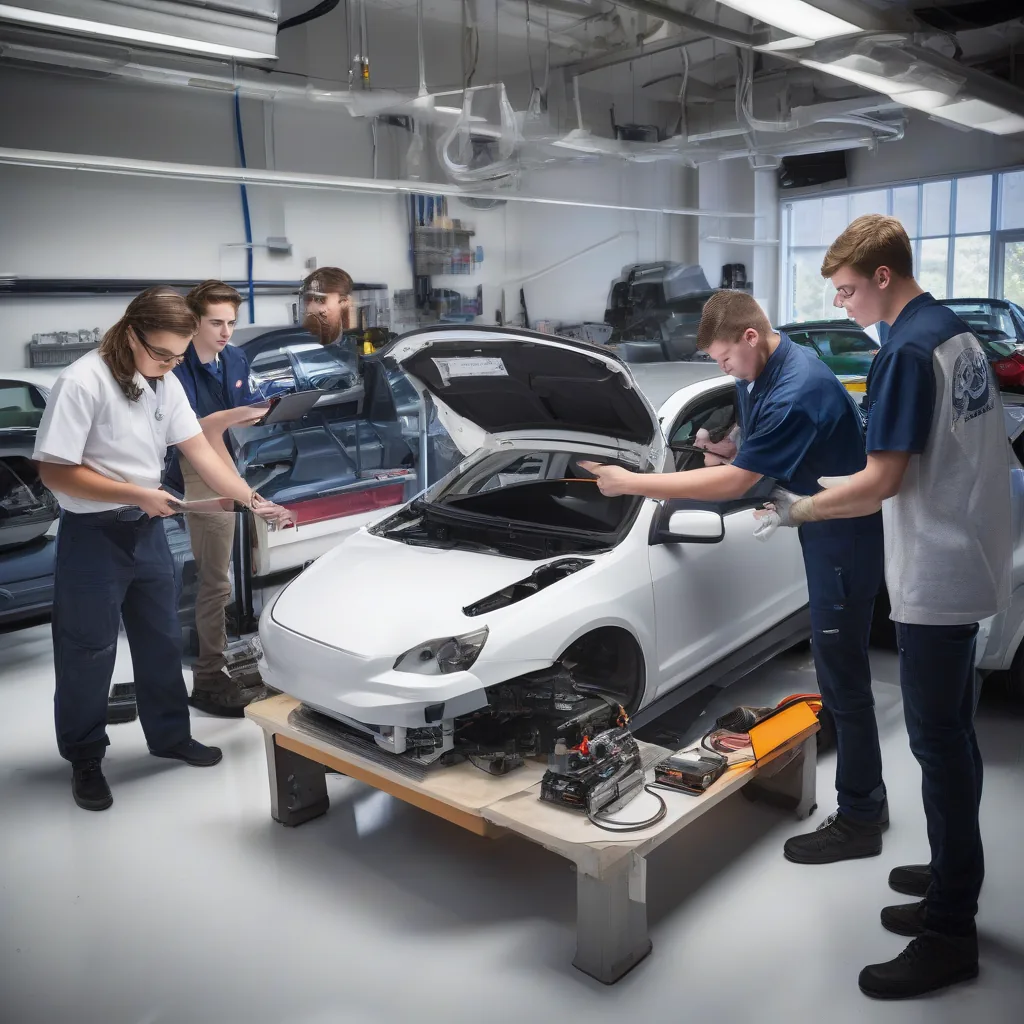
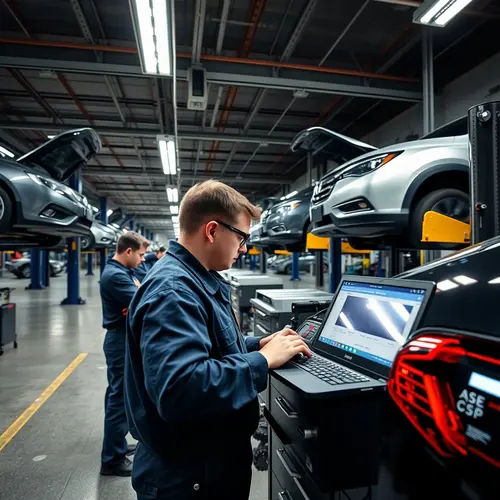
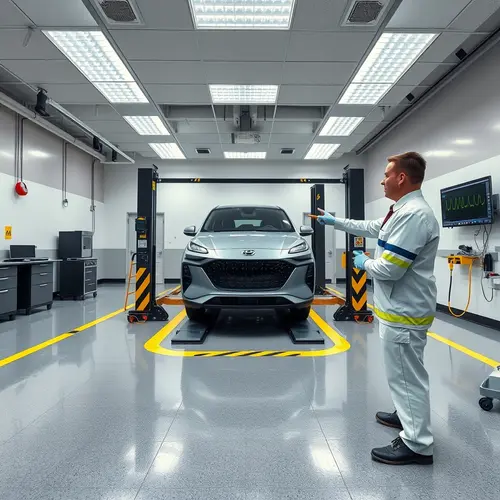
Inspect the lab bays. Are the lifts ALI certified? Is there a dedicated EV safety zone with insulated rescue hooks and Category III rated meters? Programs still running 1990s engine stands without live data capable scan tools will leave gaps in your diagnostic workflow.
Automotive Class Online vs. Hands-On: The Hybrid Reality
Fully online automotive class options exist for theory — electrical theory, HVAC thermodynamics, service information navigation. However, no state licensing board or OEM accepts virtual lab hours for brake lathe operation or high-voltage battery removal. The gold standard remains a hybrid model: asynchronous lectures Monday through Wednesday, full-day lab intensives Thursday through Saturday. This structure lets working adults keep a paycheck while building muscle memory on live vehicles.
Automotive Class Financing Strategies That Protect Your ROI
Federal Pell Grants and Direct Loans apply to Title IV eligible schools. Veterans should confirm the program accepts GI Bill® benefits and participates in the Yellow Ribbon Program. Many dealer groups offer tuition reimbursement contracts — typically two years of employment in exchange for full sponsorship. Read the clawback clauses carefully; some require repayment of the gross amount if you leave before the term ends, not the prorated balance.
Scholarships from the Specialty Equipment Market Association (SEMA) and the Automotive Aftermarket Charitable Foundation target students in accredited collision repair and performance programs. Application deadlines usually fall in early spring.
Automotive Class: The Myth of the “Quick Certificate”
I’ve interviewed hundreds of technicians over two decades. The ones still turning wrenches at master level ten years later almost always started with an AAS degree or a rigorous OEM apprenticeship. The six-month certificate grads often hit a pay ceiling at the “C-tech” tier because they lack the electrical architecture depth modern platforms demand. If your budget forces a short program, supplement it immediately with ASE L1 Advanced Engine Performance and L3 Hybrid study guides. Self-study bridges the gap, but only if you treat it with the same discipline as a graded lab.
Next Steps: Evaluating Your Automotive Class
- Verify ASE Education Foundation accreditation on the official registry.
- Request the employer advisory board roster; active dealer representation signals curriculum relevance.
- Audit a lab session unannounced. Watch how instructors handle student mistakes — coaching vs. scolding reveals culture.
- Compare graduate placement data verified by the state workforce commission, not marketing brochures.
- Calculate total cost of attendance including tools, certifications, and lost wages during unpaid internships.
Your first automotive class sets the trajectory for every certification, specialization, and salary negotiation that follows. Choose the program that demands the most from you; the market rewards competence, not attendance.