
Automotive Technology Colleges: 7 Proven Growth Steps
Automotive technology colleges turn an interest in cars into a structured path toward a paid technician role, and the right program can shorten the distance between curiosity and competence. These schools combine classroom instruction with supervised work on live vehicles, so students learn diagnostic reasoning instead of memorizing isolated repairs. The result is a graduate who can read a scan tool, follow a service procedure, and explain the work to a customer.
Automotive technology colleges exist to teach a method, not a set of memorized repairs. The field is not the grease-and-wrenches stereotype. Modern technicians service high-voltage battery systems, calibrate driver-assistance sensors, and interpret live data from dozens of control modules. That complexity is why employers increasingly prefer formal training over trial and error, and why the quality of the program matters as much as the credential.
Why Automotive Technology Colleges Are Growing
Demand for technicians has outpaced the supply of trained entrants for years. Vehicles have become computers on wheels, and the diagnostic skills required to repair them take time to build. Dealerships, independent shops, and fleet operators all compete for graduates who can work safely on electric and electronic systems.
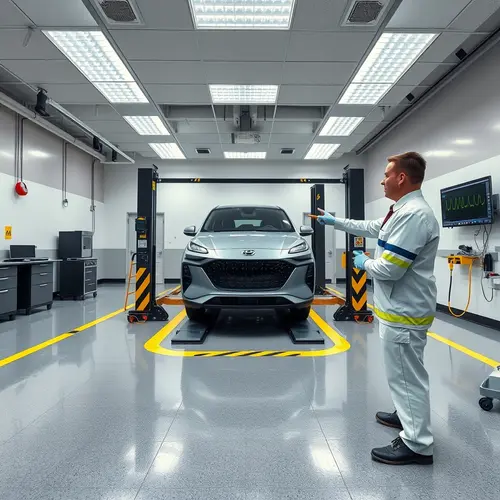
Automotive technology colleges have responded by updating labs, adding electric-vehicle safety modules, and partnering with manufacturers. A program with an advisory board of local employers can adjust its curriculum faster than a generic trade school. That connection also gives students access to internships and a clearer view of which specialties are hiring. The strongest automotive technology colleges publish where their graduates work and invite prospective students to verify it.
The growth is not uniform. Programs with outdated equipment and crowded labs still exist, and a certificate from one of them carries less weight. The useful question is not whether the school has a shop, but whether the shop resembles the vehicles and tools a graduate will meet on the job.
How to Choose Among Automotive Technology Colleges
Choosing among automotive technology colleges starts with evidence rather than marketing. Accreditation, lab hours, instructor experience, and placement rates tell you more than a glossy brochure. Visit in person if you can, and ask to watch a class in progress.
| Factor | What to verify |
|---|---|
| Accreditation | Recognition by a body employers and certifying organizations accept. |
| Lab time | Hours on live vehicles, not only simulators or dismantled components. |
| Equipment | Late-model vehicles, scan tools, lifts, and high-voltage safety gear. |
| Placement | Graduates hired in the field within six months, by program. |
| Cost | Tuition, tools, uniforms, exam fees, and transportation. |
| Pathways | Credits that stack toward an associate degree or manufacturer certification. |
A program that cannot answer these questions in writing is a risk. Ask for the name of a recent graduate you can contact, and ask that graduate what the first month on the job was actually like.
7 Proven Ways Training Grows Your Career Faster
The title promises seven advantages, and each one shows up in the first few years of a technician’s career.
1. Faster Entry Into a Paid Bay
A structured program compresses years of trial and error into months of guided practice. Graduates arrive knowing shop safety, tool use, and repair-order flow, so an employer can assign paid work sooner.
2. Diagnostic Discipline
Training teaches a repeatable process: verify the complaint, check service information, test the circuit, and confirm the repair. That discipline reduces comebacks and protects a shop’s reputation.
3. Access to Modern Equipment
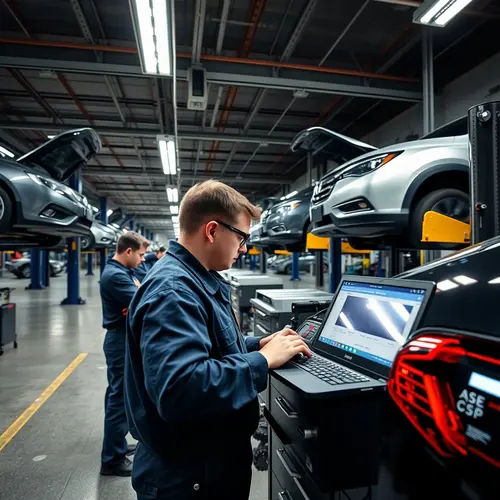
Schools invest in lifts, diagnostic platforms, and late-model vehicles that a beginner could not afford alone. That access shortens the learning curve for electric and electronic systems.
4. Employer-Recognized Credentials
Certificates and associate degrees signal completion to hiring managers. Industry certifications such as ASE tests add an independent check of knowledge that travels with you.
5. Higher Earning Potential Over Time
Trained technicians can move into diagnostics, specialty work, and fleet roles that pay more than general maintenance. The gap widens as experience and certifications accumulate.
6. A Clear Path to Specialization
Programs expose students to brakes, drivability, transmissions, and electric systems, which helps them choose a specialty with demand instead of guessing.
7. Room to Lead or Open a Shop
Management and business coursework, plus a broad technical base, prepare technicians for service advisor, foreman, or owner roles later in their careers.
Certificate, Associate Degree, or Apprenticeship?
At automotive technology colleges, there is no single correct route. A certificate usually takes months and focuses on entry-level employability. An associate degree adds general education, management coursework, and more lab time. An apprenticeship pays you while you learn and pairs formal instruction with hours in a working shop.
Choose based on the job you want, not the shortest option. If you plan to stay in diagnostics or move into management, the broader foundation of a degree often pays off. If you need to start earning quickly, a certificate plus an employer who mentors you can be the better first step.
What to Look For in a Program
Visit the lab and look at what students are actually touching. A program can talk about technology without giving students meaningful time on current vehicles.
- Live vehicles that match the models sold in your region.
- Scan tools and service information used by local shops.
- High-voltage safety training for hybrid and electric vehicles.
- Small class sizes with an instructor who has shop experience.
- Internship or co-op agreements with employers.
- Job placement support that continues after graduation.
Ask how often the equipment is replaced and who maintains it. A lift that is out of service for weeks limits lab time for every student in the cohort.
Costs, Aid, and Realistic Payback
Tuition is only part of the cost. Tools, uniforms, exam fees, and transportation add up, and some programs require a laptop or a tablet. Compare the total cost against the entry-level wage in your area and the number of months it takes to complete the program.
Most automotive technology colleges publish a cost sheet that includes tools and exam fees. Ask about financial aid, employer tuition assistance, and scholarships from manufacturer foundations. A paid apprenticeship can offset much of the cost because you earn while you learn. Avoid borrowing more than the first-year salary you realistically expect; a technician career rewards skill and certifications, not the most expensive diploma. For official wage and task data, see the O*NET profile for automotive service technicians.
Common Mistakes to Avoid
Most disappointing outcomes trace back to a decision made before classes begin.
- Choosing a school because it is close, without checking placement rates.
- Assuming a certificate is enough for every specialty.
- Skipping electrical fundamentals because they feel difficult.
- Buying a full tool set before the program tells you what is required.
- Ignoring soft skills; service advisors and customers judge communication.
Not all automotive technology colleges deliver the same experience, and the difference shows up in the first job. Visit more than one campus, compare the labs, and ask the same questions at each.
Questions to Ask Before You Enroll
Bring a written list and take notes. A good admissions office will welcome the scrutiny, and the answers should match what you see in the lab. If a program cannot explain its placement data, keep looking.
- How many hours are spent on live vehicles each week?
- What percentage of students complete the program?
- Where did last year’s graduates get hired?
- Which certifications are included, and which cost extra?
- Can I speak with a current student and a recent graduate?
- What happens if I fail a course or need to pause?
For a closer look at what the training feels like day to day, read this account of the experience of automotive technology and this guide on how auto repair schools determine success.
Final Verdict: Is It Worth It?
When you compare automotive technology colleges, the key word is quality. For a student who wants to work with vehicles and is willing to learn diagnostics, a quality program is worth the time and cost. The key word is quality. A strong program provides current equipment, supervised practice, and employer connections; a weak one sells a credential without the skill behind it.
Automotive technology colleges are not a shortcut around effort. They are a structured way to build a technical foundation that would otherwise take years to assemble. Choose carefully, ask for evidence, and treat the first job as the next stage of training.
How long does an automotive technology program take?
At most automotive technology colleges, a certificate usually takes several months to a year, an associate degree about two years, and an apprenticeship combines paid work with instruction over two to four years. The right length depends on the job you want and whether you plan to specialize or move into shop management.
Do automotive technology colleges require a high school diploma?
Most programs require a high school diploma or equivalent, though some accept students who demonstrate readiness another way. Check the specific admission requirements, including math and reading placement, before you apply.
Is an associate degree better than a certificate?
An associate degree adds general education, management coursework, and more lab time, which helps for diagnostics, specialty roles, and supervision. A certificate gets you into an entry-level job faster. Choose based on your timeline and the career path you want.
If automotive technology colleges feels overwhelming, start with the smallest step that produces a visible result. Anyone weighing automotive technology colleges should compare at least two realistic options before deciding. In practice, automotive technology colleges works best when the basics are handled before anything else. A quick note on automotive technology colleges: the follow-up matters as much as the first decision.