
Auto Tech Training: Certificate, Degree, or Apprenticeship?
Auto tech training is the structured route from an interest in cars to a paid role in a modern repair shop. It combines hands-on service work with electrical theory, computerized diagnostics, and the communication skills a technician needs when explaining a repair. The right path depends on your timeline, budget, and the kind of shop you want to enter.
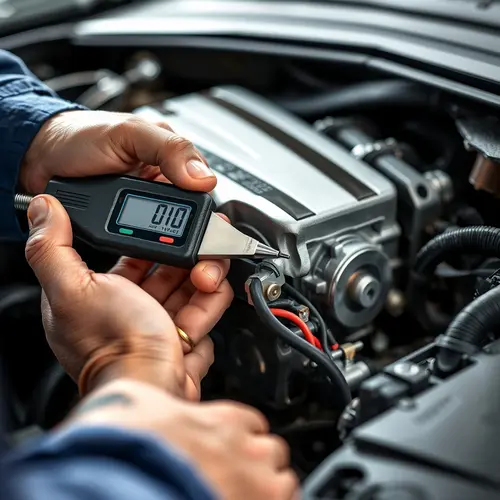
Modern technicians do more than replace parts. They read live data from control modules, calibrate driver-assistance sensors, and service hybrid and electric systems alongside conventional engines. Good training teaches the method behind a repair, not just the steps for one vehicle, because the vehicles change faster than any single curriculum.
What a Quality Program Covers
Look for four foundations: engine and drivetrain systems, electrical and electronic diagnostics, brakes and suspension, and heating and air conditioning. A credible auto tech training program also covers safety, torque procedures, service information systems, and customer communication. If a school only shows videos and never puts you on a running vehicle, the value is limited.
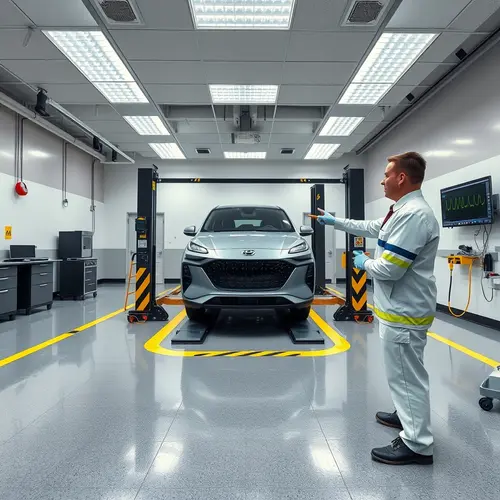
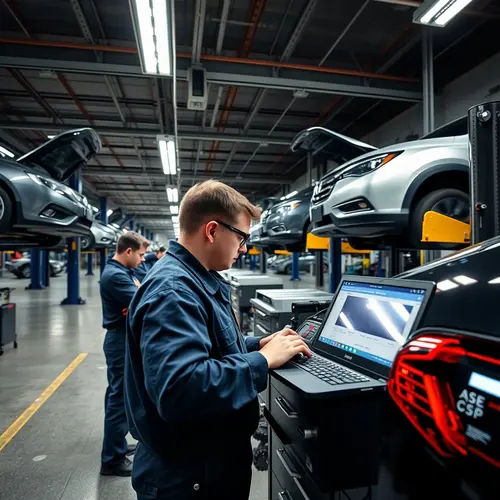
Ask how much time is spent in the lab and whether the school has live vehicles, scan tools, multimeters, and alignment equipment. Accredited programs through the ASE Education Foundation are a useful signal because they are evaluated against industry standards. Accreditation does not guarantee a job, but it reduces the risk of paying for outdated equipment.
Auto Tech Training Paths: Cost, Time, and Outcome
| Path | Typical time | Typical cost | Best for |
|---|---|---|---|
| Certificate program | 6–12 months | $5,000–$20,000 | Fast entry, focused shop skills |
| Associate degree | 2 years | $10,000–$35,000 | Deeper theory, management or advanced diagnostics |
| Apprenticeship | 2–4 years | Often paid while you learn | Earning income, learning on real jobs |
| Employer training | Weeks to months | Often covered by the employer | Brand-specific systems and dealer workflows |
Costs vary widely by state and institution, and financial aid can change the math. A paid apprenticeship is often the lowest-debt route, but openings are limited and the quality depends on the mentor. A certificate is faster but may not include enough electrical depth for a diagnostic-heavy shop.
How to Judge a Program Before You Enroll
- Ask for graduation and placement data. A program that cannot share outcomes is a warning sign.
- Tour the lab during a class. Look for working lifts, scan tools, and enough vehicles for the group size.
- Check the instructor’s shop experience. Industry certifications and recent repair work matter more than marketing copy.
- Confirm what tools you must buy. Tool lists can add thousands to the total cost.
- Ask which employers recruit there. Dealer groups, independent shops, and fleet operations hire differently.
Compare the total cost, not just tuition. Housing, transportation, tools, and lost income during school all count. A shorter program that starts you earning sooner can beat a longer degree if the job you want does not require the credential.
Certification and Credentials That Matter
ASE certification is the best-known credential for technicians and is organized by specialty. Many employers pay for or reimburse testing, and some require specific certifications for certain jobs. EPA Section 609 certification is needed for handling refrigerants in mobile air conditioning, and high-voltage safety training is essential before working on electric vehicles.
Brand-specific training matters at dealerships because each manufacturer uses its own diagnostic software and repair procedures. If you already know which brand you want to work on, ask whether the program includes that training or whether the employer provides it after hire.
Pay, Outlook, and the First 90 Days
Pay depends on region, experience, certifications, and whether you are paid flat-rate or hourly. Entry-level technicians often start in maintenance and tire work before moving into diagnostics. The U.S. Bureau of Labor Statistics publishes current wage and outlook data for automotive service technicians and mechanics; check the BLS occupational profile for the latest national figures rather than relying on a school’s marketing.
In your first 90 days, focus on showing up on time, documenting work clearly, and asking for help before a small mistake becomes a comeback. Learn the shop’s inspection process and how to explain a repair without overselling. Those habits build trust faster than speed.
To compare school options, read this guide to auto tech training schools and this trade school roadmap. If certification is your next step, see why a certified auto tech has more room to specialize.
Common Mistakes New Students Make
The first mistake is choosing the cheapest program without checking the lab. The second is underestimating the electrical and diagnostic content; modern repair is as much data interpretation as wrench work. The third is buying a huge tool set before the program tells you what is actually required.
Another trap is ignoring soft skills. Technicians who can explain a repair clearly and document it properly get promoted faster. Finally, do not assume a degree guarantees a job. Employers hire for reliability, safe work habits, and demonstrated skill, so treat every lab session and internship as a working interview.
Verdict: Match the Path to the Job You Want
Choose a certificate for fast entry, an apprenticeship for paid hands-on learning, and a degree when you want deeper diagnostics or a management path. Visit the lab, ask for placement data, and budget for tools before you enroll. The best auto tech training is the one that leaves you employable without debt you cannot repay. Compare auto tech training options by total cost and placement support, not by brochure promises.
How long does technician training take?
Certificate programs often take 6 to 12 months, associate degrees take about two years, and apprenticeships run two to four years while you earn. The right length depends on the job you want and how much diagnostic depth the employer expects.
Is a degree required to work as a technician?
Most entry-level jobs do not require a degree, but strong electrical and diagnostic training is expected. Some employers prefer formal programs, while others hire apprentices and train them. Certification and demonstrated skill often matter more than the credential alone.
What should I check before enrolling?
Ask for graduation and placement data, tour the lab during a live class, confirm the tool list, and verify instructor experience. Accredited programs are a useful baseline. Compare total cost, including housing and lost income, before you commit.
In practice, auto tech training works best when the basics are handled before anything else. A quick note on auto tech training: the follow-up matters as much as the first decision. If auto tech training feels overwhelming, start with the smallest step that produces a visible result. Anyone weighing auto tech training should compare at least two realistic options before deciding.