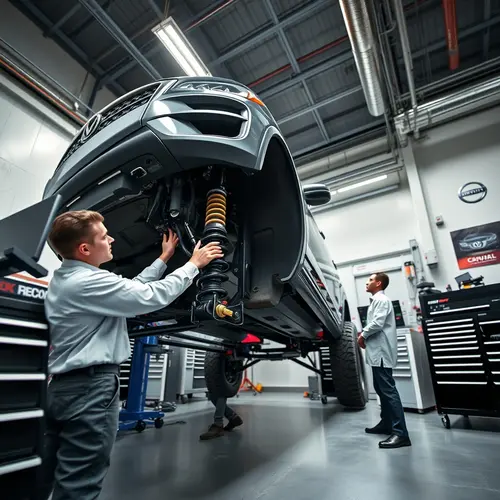
A car course provides structured education in automotive technology, vehicle maintenance, driving skills, or specialized repair techniques designed to build competency for professional certification or personal knowledge. Whether you’re pursuing ASE certification, launching a mechanic career, or mastering advanced driving techniques, selecting the right program determines your success trajectory in the automotive field.
The automotive education landscape offers diverse pathways. Each program type serves distinct career outcomes and skill levels.
Understanding which car course aligns with your professional objectives requires examining curriculum depth, accreditation status, and industry recognition.
Core Types of Car Course Programs Available
Automotive education divides into several specialized categories. Each serves different learning objectives and career paths.
Technical training programs focus on diagnostic skills and repair procedures. These typically range from six months to two years in community college or vocational school settings.
Performance driving courses teach advanced vehicle control techniques. They’re offered at dedicated facilities with professional instructors and specialized track environments.
Course Type
Duration
Primary Focus
Career Outcome
Automotive Technology Diploma
12-24 months
Comprehensive repair and diagnostics
Entry-level technician
ASE Certification Prep
3-6 months
Test-specific technical knowledge
Professional certification
Performance Driving
2-5 days
Advanced vehicle control
Skill enhancement
Collision Repair Training
12-18 months
Body work and refinishing
Body shop technician
Diesel Technology
18-24 months
Heavy-duty vehicle systems
Diesel mechanic
Car Course Accreditation Standards You Cannot Ignore
NATEF accreditation represents the gold standard for automotive training programs. Schools meeting these criteria follow industry-validated curriculum standards developed by working professionals.
ASE Education Foundation certification indicates programs align with employer expectations. Over 2,000 secondary and post-secondary institutions hold this designation.
Regional accreditation affects financial aid eligibility. Verify your chosen institution carries proper recognition before enrollment.
Why Car Course Accreditation Matters for Employment
Employers prioritize graduates from accredited programs. The credential signals standardized competency levels across technical domains.
Manufacturer-specific training opportunities often require baseline accredited education. Major automakers partner exclusively with certified institutions for their dealer technician programs.
According to the Bureau of Labor Statistics, automotive technicians with formal training earn higher starting wages compared to those with only on-the-job experience.
Essential Car Course Curriculum Components in Quality Programs
Comprehensive automotive education covers electrical systems, engine performance, brake systems, and computerized diagnostics. These represent core competency areas tested in ASE certification exams.
Hands-on lab time separates effective programs from theoretical ones. A quality car course dedicates at least 60% of instruction time to practical application with real vehicles and diagnostic equipment.
Modern programs integrate hybrid and electric vehicle technology. This specialization addresses the shifting automotive landscape without relying on temporary trends.
Specialized Tracks Within Automotive Education
Diagnostic Specialists: Focus on computerized systems, scan tool proficiency, and electrical troubleshooting
Transmission Technicians: Deep expertise in automatic and manual transmission repair and rebuilding
High-Performance Tuning: Engine modification, dynamometer testing, and aftermarket integration
Fleet Maintenance: Preventive maintenance scheduling and commercial vehicle systems
Collision Repair: Frame straightening, panel replacement, and refinishing techniques
Car Course – Cost Analysis and Financial Planning Strategies
Community college automotive programs typically cost between $3,000-$8,000 for complete certificate programs. Private technical schools range from $10,000-$30,000 depending on program length.
Financial aid availability varies by institution type. Federal Pell Grants and student loans apply to accredited colleges but not all private training facilities.
Tool investment represents a hidden expense. Entry-level technicians invest $2,000-$5,000 in basic hand tools and diagnostic equipment before starting work.
Return on Investment for Car Course Completion
The median annual wage for automotive service technicians exceeds $46,000 according to Department of Labor data. Experienced technicians with ASE Master certification earn substantially more.
Specialization increases earning potential significantly. Diesel technicians, for example, command higher wages due to the complexity of heavy-duty systems.
Geographic location impacts compensation. Metropolitan areas and regions with higher living costs typically offer elevated wage scales for qualified technicians.
Common Misconceptions About Automotive Training
Myth: Online courses replace hands-on training. While theory can be learned remotely, diagnostic skills require physical practice with actual vehicles and equipment. Hybrid models combining online theory with in-person lab work offer the most flexibility.
Myth: Any mechanical aptitude guarantees success. Modern automotive technology demands strong diagnostic reasoning and computer literacy. Electrical system knowledge has become as fundamental as mechanical skills.
Myth: Short-term certifications equal comprehensive training. Weekend seminars and abbreviated programs teach specific techniques but don’t build the foundational knowledge required for independent diagnostic work.
Evaluating Car Course Quality Before Enrollment
Visit campus facilities personally. Inspect the equipment inventory, vehicle selection for training, and lab organization. Outdated or poorly maintained equipment indicates program quality issues.
Request placement statistics from admissions offices. Quality programs track graduate employment rates and starting wage data transparently.
Speak with current students and recent graduates. Their unfiltered perspectives reveal instructor quality, curriculum relevance, and institutional support systems.
Red Flags That Signal Low-Quality Programs
Aggressive sales tactics and pressure to enroll immediately
Lack of transparent pricing or hidden fee structures
Inability to provide accreditation documentation
Outdated equipment or limited vehicle selection for training
No connections to local employers or internship opportunities
Instructors without current industry certifications or experience
Maximizing Value From Your Automotive Education
Pursue ASE certifications alongside formal education. These industry-recognized credentials validate competency to employers nationwide and increase marketability.
Seek internship opportunities during training. Many dealerships and independent shops offer paid positions for students in accredited programs, providing income and real-world experience simultaneously.
Build relationships with instructors who maintain industry connections. These professionals often facilitate job placements and serve as references for employment opportunities.
Post-Car Course Career Development Paths
Entry-level technicians typically start with basic maintenance services. Lube technicians and tire specialists build foundational speed and accuracy before advancing to complex repairs.
Mid-career progression leads to diagnostic specialist roles. These positions command higher pay and involve challenging electrical and computerized system troubleshooting.
Senior technicians transition into shop foreman or service manager positions. These roles combine technical expertise with personnel management and customer relations responsibilities.
Expert Perspective on Automotive Education Evolution
The integration of electric vehicle technology has fundamentally altered curriculum requirements. Traditional internal combustion engine knowledge remains valuable, but high-voltage battery systems and electric drive motors now demand equal attention in comprehensive programs.
Diagnostic software proficiency has become the defining skill for top-tier technicians. Scan tool interpretation and bi-directional control testing separate exceptional diagnosticians from basic parts replacers.
The “parts cannon” approach—replacing components without proper diagnosis—represents the antithesis of skilled technical work. Quality education emphasizes systematic diagnostic procedures and root cause analysis.
Making Your Final Program Selection
Balance program cost against potential earnings and career timeline. A more expensive accredited program often delivers faster career advancement and higher starting wages that offset initial investment.
Consider geographic flexibility for top-tier programs. Some specialized schools like Universal Technical Institute operate multiple campuses, while manufacturer-specific training may require relocation.
Enrolling in a comprehensive car course represents a strategic investment in a recession-resistant career field. Vehicles require maintenance regardless of economic conditions, providing employment stability across market cycles. Select your program based on accreditation status, equipment quality, and industry connections rather than convenience or lowest cost. The right training foundation determines your entire career trajectory in the automotive field.