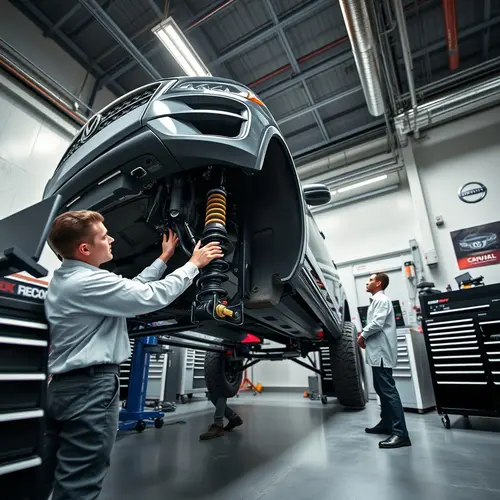
Online automotive courses provide flexible, industry-recognized training for aspiring technicians, career changers, and automotive enthusiasts who want to build diagnostic skills, earn certifications, or launch a professional career without the constraints of traditional classroom schedules. These programs deliver hands-on learning through virtual simulations, video demonstrations, and structured curricula that align with ASE (Automotive Service Excellence) certification standards.
The automotive service industry faces a documented technician shortage, with over 700,000 positions expected to need filling according to TechForce Foundation workforce studies. This gap creates exceptional opportunities for trained professionals who can demonstrate competency through recognized credentials.
Why Online Automotive Courses Are Gaining Traction
Traditional vocational schools require full-time attendance and rigid schedules. Digital learning platforms have disrupted this model by offering asynchronous access to expert instruction, allowing students to balance work, family, and education simultaneously.
Accredited programs now incorporate interactive diagnostic software that simulates real-world troubleshooting scenarios. Students practice reading OBD-II scan data, interpreting wiring diagrams, and executing systematic diagnostic procedures through virtual environments that mirror shop conditions.
The Certification Advantage
Employers prioritize ASE certifications when evaluating candidates. Online automotive courses structured around these eight specialty areas prepare students for certification exams: Engine Repair, Automatic Transmission/Transaxle, Manual Drive Train and Axles, Suspension and Steering, Brakes, Electrical/Electronic Systems, Heating and Air Conditioning, and Engine Performance.
Completion of relevant coursework satisfies the educational requirements, though candidates still need two years of hands-on work experience to qualify for most ASE tests. This combination of theoretical knowledge and practical application creates a powerful credential stack.
Comparing Online Automotive Courses by Program Type
Program Type
Duration
Cost Range
Best For
Certificate Programs
6-12 months
$1,200-$4,500
Focused skill development, career changers
Associate Degree (Online Hybrid)
18-24 months
$8,000-$25,000
Comprehensive training, management track
Manufacturer-Specific Training
3-6 months
$800-$3,000
Dealership technicians, brand specialists
Continuing Education Modules
Self-paced
$150-$600 per course
Licensed technicians maintaining credentials
Hybrid Models Deliver Superior Outcomes
Pure online theory works well for electrical systems, diagnostic theory, and service procedures. However, hands-on competencies require physical practice. The most effective online automotive courses incorporate local partnerships where students complete practical assessments at affiliated repair facilities or community colleges.
Some programs ship diagnostic tools and training components directly to students, enabling home-based practice on brake assemblies, starter motors, or sensor testing equipment.
What Serious Students Must Evaluate Before Enrollment
Not all programs deliver equal value. Scrutinize these seven factors:
Accreditation Status: Verify NATEF (National Automotive Technicians Education Foundation) accreditation or similar recognized credentialing that employers actually respect
Instructor Credentials: Confirm instructors hold Master ASE certifications and active industry experience, not just teaching credentials
Curriculum Alignment: Ensure coursework maps directly to current ASE test specifications and covers modern vehicle technology including hybrid systems and ADAS
Lab Access Requirements: Understand exactly what hands-on components you must complete and where you can access necessary equipment
Software and Tools: Identify which diagnostic software platforms the program uses and whether you receive lifetime access after completion
Job Placement Support: Evaluate career services, employer networks, and whether the school maintains relationships with dealerships or independent repair facilities
Flexible Pacing Options: Confirm whether the program allows you to accelerate or extend timelines based on your work schedule and learning speed
The Economics of Online Automotive Courses
Entry-level technicians earn $35,000-$45,000 annually according to Bureau of Labor Statistics data, while Master Technicians with specialized credentials command $60,000-$80,000 or more. Diesel and heavy equipment specialists often exceed six figures.
Calculate return on investment by dividing total program costs by the monthly income increase you can realistically achieve post-certification. Most quality programs deliver positive ROI within 12-18 months of graduation.
Financial Aid and Employer Sponsorship
Many online automotive courses qualify for federal financial aid if offered through accredited institutions. Additionally, dealership chains and large repair franchises increasingly sponsor employee training as retention strategy.
Negotiate tuition reimbursement before enrollment if currently employed in the field. Some employers cover 100% of costs in exchange for employment commitments.
Expert Perspective: The Diagnostic Thinking Gap
After training thousands of technicians, I’ve identified a critical weakness in many programs: they teach symptom-to-repair procedures without developing true diagnostic reasoning. Students memorize that a P0420 code means catalytic converter efficiency, but they cannot systematically eliminate upstream causes like exhaust leaks, sensor contamination, or fueling issues.
The best online automotive courses emphasize diagnostic methodology over rote memorization. Look for programs that teach you to build decision trees, understand system interactions, and apply logical troubleshooting sequences rather than just matching codes to parts.
This analytical approach separates parts-changers from true technicians and dramatically impacts earning potential throughout your career.
Emerging Specializations Worth Pursuing
Electric vehicle technology represents the fastest-growing specialty area. Courses covering high-voltage systems, battery management, and EV-specific diagnostics position graduates for premium roles as the vehicle fleet transitions.
Advanced Driver Assistance Systems (ADAS) calibration training addresses another critical need. Every windshield replacement or suspension repair on modern vehicles requires camera and radar recalibration—a service that commands $150-$300 per procedure.
Making Your Decision on Online Automotive Courses
Start by auditing free introductory modules from multiple providers to assess teaching quality and content depth. Contact program graduates through LinkedIn to gather unfiltered feedback about course effectiveness and career outcomes.
Prioritize programs that provide lifetime access to updated materials, recognizing that automotive technology evolves rapidly. Your investment should include continuing education resources that keep your knowledge current throughout your career.
The most successful technicians combine formal online automotive courses with aggressive self-study, active participation in technical forums, and relentless hands-on practice. Digital education provides the framework, but your commitment to mastery determines actual results.