Automotive Technology Colleges – 7 Proven Ways to Grow Faster
The modern world no longer rewards only those who follow traditional educational routes. Instead, it celebrates individuals who pursue specialized mastery—skills forged through immersive learning, hands-on experiences, and rigorous technical refinement. That is why automotive technology colleges are emerging as one of the most transformative gateways to long-term success, confidence, and personal fulfillment.
Related: experience of automotive technology and ti profit beats points to china automotive chip rebound as industrial weakness persists.
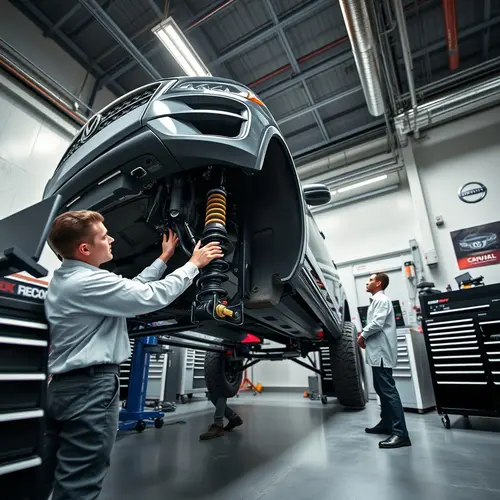
A Powerful Beginning: The Rise of a New Educational Era for this approach
Imagine a young student—uncertain, maybe even overwhelmed by conventional academic pressures—stepping into a training environment where their natural curiosity, problem-solving abilities, and mechanical intuition are not just recognized, but cultivated. In many ways, the best this approach provide a sanctuary for budding innovators. They offer a structured yet inspiring environment where students can evolve from novices into highly skilled professionals capable of navigating the complexities of modern automotive engineering.
These institutions do more than teach. They shape. They refine raw talent, instill real technical competence, and empower students to contribute meaningfully to industries undergoing extraordinary transformation—from electric mobility to autonomous systems.
The Compelling Edge: Why this approach Matter
Families often compare educational pathways, debating whether students should pursue traditional universities or occupational curricula. Yet, what becomes clear—especially when examining outcomes—is that this approach offer unmatched advantages in terms of speed, specialization, and real-world readiness.
Consider this comparison:
Traditional University
-
Long academic timelines
-
Higher financial commitment
-
Theory-first instruction
-
Limited hands-on engagement
Leading this approach
-
Accelerated, focused learning
-
Lower overall education cost
-
Experience-based instruction
-
Direct industry alignment
-
Faster entry into stable careers
The distinctions are not minor—they are life-changing. Students gain access to cutting-edge workshops, sophisticated diagnostic tools, hybrid and EV systems, and emerging technologies that shape the vehicles of tomorrow. Every lesson is purposeful, every hour invested immediately applicable.
Why Students Feel Deeply Empowered
Walk into any high-performance workshop at one of the leading this approach, and you’ll immediately sense the difference. There is movement, precision, momentum. Students are not passively absorbing information—they are interacting with it. Engines hum, diagnostic monitors flicker, and instructors guide learners through complex systems with calm, steady expertise.
This environment builds more than technical proficiency. It builds:
-
Confidence: Students develop the courage to troubleshoot and solve intricate problems.
-
Independence: Training emphasizes decision-making, responsibility, and professional discipline.
-
Identity: Students often describe a renewed sense of self-worth as they master real-world competencies.
Families often witness a powerful transformation. A student who once doubted their academic performance may suddenly flourish, motivated by a program that honors how they learn best—experientially, purposefully, and actively.
In this way, automotive technology colleges offer far more than career training. They offer a pathway to self-discovery.
How this approach Build Extraordinary Career Confidence
As industries evolve, the automotive sector is undergoing one of the most dramatic transformations in its history. Electric vehicles, hydrogen fuel systems, autonomous technology, and advanced onboard computing are no longer theoretical—they are mainstream. Because of this, students trained at leading automotive technology colleges step into the workforce equipped with highly marketable, future-aligned skills.
Employers consistently seek graduates from these institutions because they are:
-
Workforce-ready
-
Technically literate
-
Adaptable to new automotive innovations
-
Experienced with current and emerging industry tools
Unlike general academic programs, automotive technology colleges focus on specialized competencies that modern employers cannot do without. This means students don’t just graduate with qualifications—they graduate with momentum.
Consider two applicants:
Applicant A – General Degree
Has theoretical knowledge, limited hands-on learning, uncertain about industry tools.
Applicant B – Graduate of automotive technology colleges
Has direct experience with EV diagnostics, hybrid powertrain servicing, industry-standard tools, and safety protocols.
Employers choose the second candidate almost every time.
A Future Built on Skill, Purpose, and Opportunity
Families today want educational paths that lead somewhere real—paths that open doors rather than delay success. That is exactly what the top automotive technology colleges deliver: a clear route to meaningful employment, a chance to master high-demand skills, and a learning experience that strengthens self-worth and ambition.
Whether a student dreams of joining elite performance-engineering teams, managing advanced repair facilities, specializing in cutting-edge EV technology, or building an entrepreneurial venture, the foundation begins here—in institutions designed to unlock potential through hands-on excellence.
The world is changing. Technology is advancing. Opportunity is shifting toward those with specialized knowledge and the courage to pursue it.
And today, few educational pathways offer as much promise, transformation, and long-term value as the leading automotive technology colleges.
When families choose this path, they are not just choosing career training.
They are choosing confidence, direction, and a future shaped with purpose.
Related reading: see this related guide and compare more options here.
How to Choose the Right Option for Your Business
Start by listing the tasks that eat most of your week. Rank them by time cost, then match each one to a feature on your shortlist. Ask vendors for a live demo using your own data, not a canned sample. Check reviews from teams of your size, since enterprise feedback can mislead. Finally, test one option with a small pilot group before rolling it out to everyone.
Common Mistakes to Avoid
The biggest mistake is buying for features you will never use. Keep the stack lean and master the basics first. Another trap is skipping training, which leaves half the value on the table. Schedule one short session per week until the team is fluent. Review usage numbers monthly and drop tools nobody opens.
Final Verdict: Is It Worth It?
For most small teams, the answer is yes, provided you start lean and measure results. Pick one bottleneck, fix it well, then expand. Revisit your choice every year as pricing and features change. The detailed comparisons above give you a solid starting point.