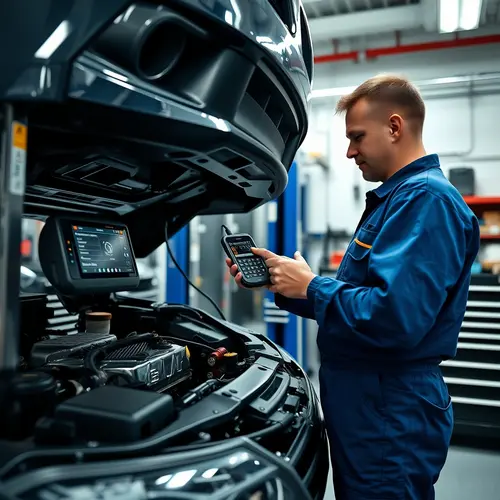
mechanics car engine
How Mechanics Car Engine Diagnostics Work: 7 Essential Steps Every Driver Should Know
Understanding how mechanics car engine diagnostics and repairs function can save you time, money, and prevent costly mistakes. When a professional mechanic examines your engine, they follow systematic diagnostic protocols that combine technical knowledge, specialized tools, and hands-on experience to identify and resolve mechanical issues efficiently.
The Foundation of Mechanics Car Engine Expertise
Professional engine mechanics operate at the intersection of mechanical engineering and practical problem-solving. Their work extends far beyond basic oil changes into complex systems analysis.
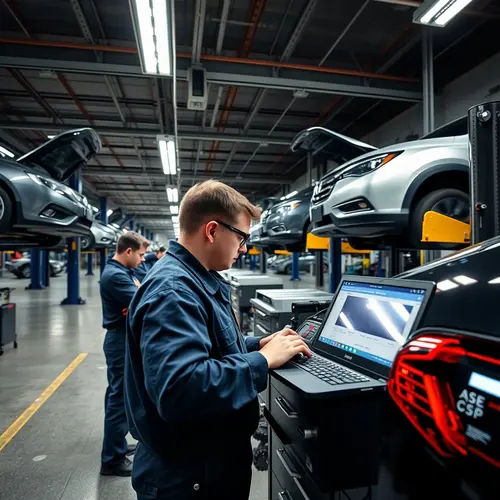
Modern automotive technicians typically hold ASE (Automotive Service Excellence) certifications, which require rigorous testing across eight specialty areas. Engine repair specialists must understand combustion principles, fuel delivery systems, timing mechanisms, and increasingly complex computer-controlled components.
The diagnostic process begins with gathering information. Mechanics interview vehicle owners about symptoms: unusual sounds, performance issues, warning lights, or driveability concerns. This initial consultation provides critical context that guides the entire diagnostic approach.
Core Diagnostic Tools for Mechanics Car Engine Analysis
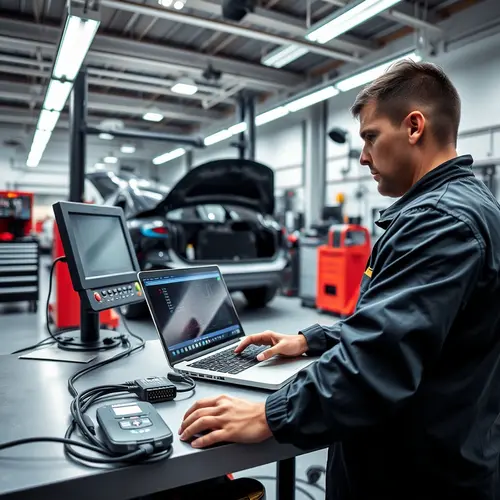
Professional mechanics rely on specialized equipment that extends their diagnostic capabilities significantly. The OBD-II scanner remains the primary gateway into engine management systems, reading diagnostic trouble codes (DTCs) that point toward specific malfunctions.
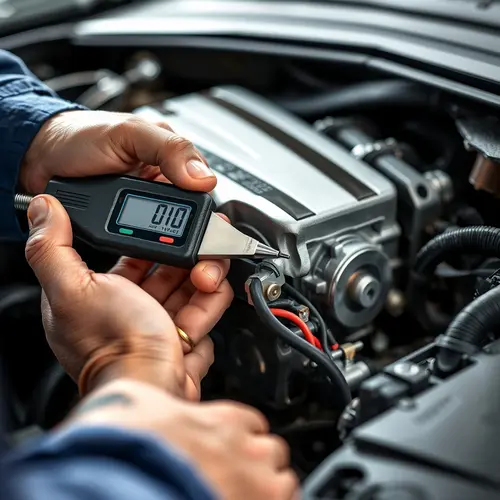
Beyond code readers, advanced shops use compression testers to measure cylinder pressure, leak-down testers to identify internal engine leaks, and oscilloscopes to analyze electrical signals from sensors in real-time. Infrared thermometers detect hot spots indicating cooling system failures or exhaust restrictions.
| Diagnostic Tool | Primary Function | Common Issues Detected |
|---|---|---|
| OBD-II Scanner | Reads engine computer codes | Sensor failures, emission problems, misfires |
| Compression Tester | Measures cylinder pressure | Worn piston rings, valve problems, head gasket leaks |
| Fuel Pressure Gauge | Tests fuel system delivery | Weak fuel pumps, clogged filters, regulator issues |
| Multimeter | Tests electrical circuits | Sensor voltage, ground issues, circuit shorts |
| Leak-Down Tester | Identifies internal leaks | Valve seal damage, piston ring wear, gasket failures |
The Seven-Step Diagnostic Protocol
Professional mechanics car engine diagnostics follow a logical sequence that eliminates guesswork and prevents unnecessary part replacement.
Step 1: Visual Inspection and Information Gathering
Experienced mechanics begin with eyes and ears. They inspect for obvious issues: fluid leaks, damaged belts, loose connections, or corroded terminals. A quick visual scan often reveals problems that diagnostic tools miss entirely.
Listening to engine operation provides valuable clues. Knocking sounds suggest detonation or bearing wear. Ticking noises point to valve train issues. Hissing indicates vacuum leaks.
Step 2: Code Retrieval and Data Analysis
The OBD-II system stores fault codes when sensors detect parameters outside normal ranges. However, skilled technicians know that codes indicate symptoms rather than root causes. A P0171 “System Too Lean” code could stem from vacuum leaks, faulty mass airflow sensors, or fuel pressure problems.
Mechanics analyze live data streams showing real-time sensor readings. Watching oxygen sensor voltages, fuel trim values, and throttle position signals during test drives reveals intermittent problems that don’t trigger stored codes.
Step 3: Systematic Testing
With initial data collected, mechanics car engine specialists perform targeted tests. If fuel delivery is suspect, they measure fuel pressure under various load conditions. For ignition concerns, they test spark plug firing, coil output, and timing accuracy.
Compression testing identifies mechanical problems within cylinders. Healthy gasoline engines produce 125-175 PSI per cylinder with less than 10% variation between cylinders. Low compression indicates worn rings, burned valves, or head gasket failures.
Step 4: Component Isolation
When multiple systems interact, mechanics isolate individual components to pinpoint failures. They may disconnect sensors to test if the engine computer responds correctly, or swap components between cylinders to see if problems follow the part.
This systematic elimination prevents the costly mistake of replacing functional components while the actual problem remains unresolved.
Step 5: Root Cause Identification
Distinguishing between primary failures and secondary damage separates competent mechanics from parts replacers. A failed catalytic converter might result from upstream oxygen sensor problems causing incorrect fuel mixture. Replacing the converter without addressing the root sensor issue leads to repeat failures.
Step 6: Repair Planning and Execution
Professional mechanics car engine repairs follow manufacturer specifications precisely. Torque specifications, timing procedures, and assembly sequences aren’t suggestions—they’re engineering requirements for proper function and longevity.
Quality shops use OEM or equivalent parts meeting original specifications. They understand that cheap aftermarket components often fail prematurely, creating false economy for vehicle owners.
Step 7: Post-Repair Verification
Competent mechanics verify repairs through road testing and diagnostic confirmation. They clear codes, drive the vehicle through various operating conditions, and rescan to ensure no new issues emerged during repair.
Common Engine Problems and Diagnostic Approaches
Understanding typical mechanics car engine issues helps vehicle owners recognize problems early and communicate effectively with service providers.
Misfires and Performance Loss
Engine misfires manifest as rough idle, hesitation, or check engine lights. Mechanics diagnose misfires by identifying which cylinder malfunctions, then testing spark delivery, fuel injection, and compression for that cylinder specifically.
Random misfires affecting multiple cylinders suggest fuel quality issues, vacuum leaks, or mass airflow sensor problems rather than component failures in individual cylinders.
Oil Consumption and Internal Wear
Excessive oil consumption requires careful diagnosis. External leaks appear obvious, but internal consumption through worn valve seals or piston rings demands compression and leak-down testing to confirm.
Blue exhaust smoke on acceleration indicates ring wear. Smoke on deceleration points to valve seal problems. These diagnostic distinctions guide appropriate repair strategies.
Overheating and Cooling System Failures
When mechanics car engine specialists diagnose overheating, they test cooling system pressure, thermostat operation, water pump function, and radiator flow. Chemical testing detects combustion gases in coolant, indicating head gasket failure.
Thermal imaging identifies blocked passages or inoperative cooling fans invisible to traditional diagnostic methods.
Mechanics Car Engine: The Diagnostic Shortcut Myth
A persistent myth suggests that code readers eliminate the need for mechanical expertise. This fundamentally misunderstands how engine diagnostics work.
Diagnostic trouble codes provide starting points, not conclusions. A P0300 random misfire code could result from 20+ different root causes. Effective diagnosis requires understanding engine systems, logical troubleshooting methodology, and hands-on testing skills that no scanner provides automatically.
According to ASE industry standards, diagnostic accuracy depends more on technician knowledge and systematic approach than equipment sophistication. The most advanced scan tools become useless in untrained hands, while experienced mechanics often diagnose complex problems with basic equipment through superior understanding of engine operation principles.
Practical Scenario: Diagnosing Power Loss
Consider a vehicle presenting with gradual power loss over several months. The owner reports reduced acceleration and poor fuel economy, but no check engine light.
A systematic mechanic begins with baseline testing: compression check shows normal results, ruling out major mechanical damage. Fuel pressure testing reveals 45 PSI instead of the specified 58 PSI. The mechanic then isolates the fuel system, testing the pump, filter, and pressure regulator individually.
The diagnosis reveals a partially clogged fuel filter restricting flow under high demand. Replacing the filter restores proper pressure and resolves the performance complaint. This systematic approach prevented unnecessary fuel pump replacement, saving the owner hundreds of dollars.
When to Seek Professional Mechanics Car Engine Service
Certain symptoms demand immediate professional attention to prevent catastrophic damage:
- Persistent knocking or rattling sounds from the engine compartment
- Sudden oil pressure warning lights during operation
- White smoke from exhaust indicating coolant consumption
- Metal particles visible in engine oil during changes
- Severe vibration or shaking at idle or during acceleration
- Rapid coolant loss without visible external leaks
Maintaining Engine Health Between Service Visits
Proactive vehicle owners extend engine life through consistent maintenance habits. Regular oil changes using manufacturer-specified grades prevent accelerated wear. Addressing minor issues promptly prevents cascade failures where one small problem damages multiple components.
Monitoring fluid levels, listening for unusual sounds, and noting performance changes provides early warning of developing problems. Catching issues early almost always costs less than repairing damage from neglected maintenance.
The Evolution of Engine Diagnostic Capabilities
Engine management systems have grown increasingly sophisticated, with some systems monitoring hundreds of parameters simultaneously. This complexity demands that mechanics car engine specialists continuously update their knowledge and diagnostic capabilities.
Modern engines integrate tighter manufacturing tolerances, variable valve timing, direct fuel injection, and turbocharging systems. Each advancement improves efficiency and power but introduces additional diagnostic complexity requiring specialized training.
Despite technological advancement, fundamental diagnostic principles remain unchanged. Effective mechanics combine traditional mechanical skills with modern electronic diagnostic capabilities, understanding that both domains complement rather than replace each other.
Choosing Qualified Engine Repair Specialists
Vehicle owners should verify mechanic credentials through ASE certification, manufacturer training programs, and customer reviews. Shops investing in ongoing technician education and modern diagnostic equipment demonstrate commitment to quality service.
Transparent communication about diagnostic findings, repair necessity, and cost estimates distinguishes professional operations from those prioritizing sales over appropriate service. Quality mechanics explain their diagnostic reasoning and provide options when multiple repair approaches exist.
Understanding how mechanics car engine diagnostics and repairs function empowers vehicle owners to make informed decisions about their automotive service needs. While complex problems require professional expertise, basic knowledge helps you recognize competent service providers and understand the value of systematic diagnostic approaches over guesswork-based repairs.